Apps people actually use
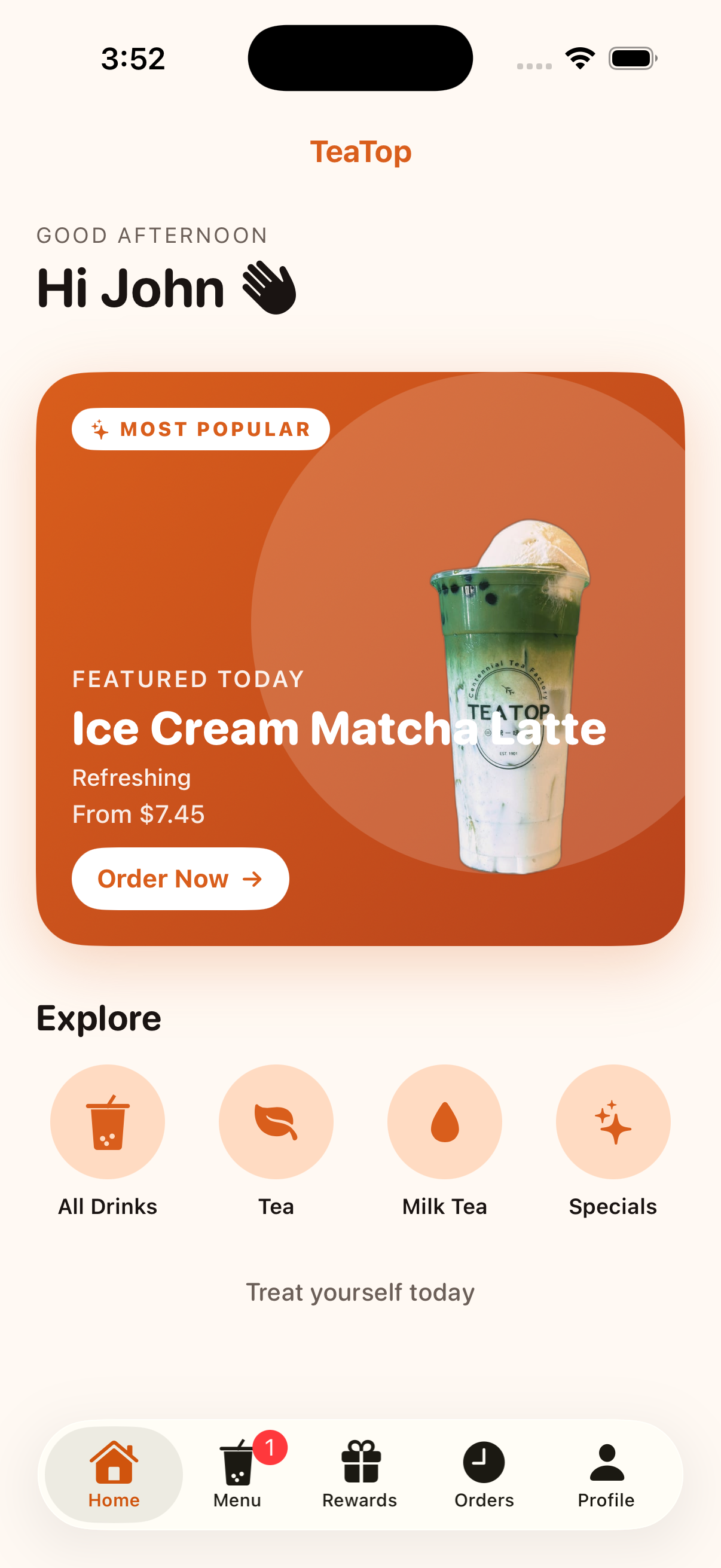
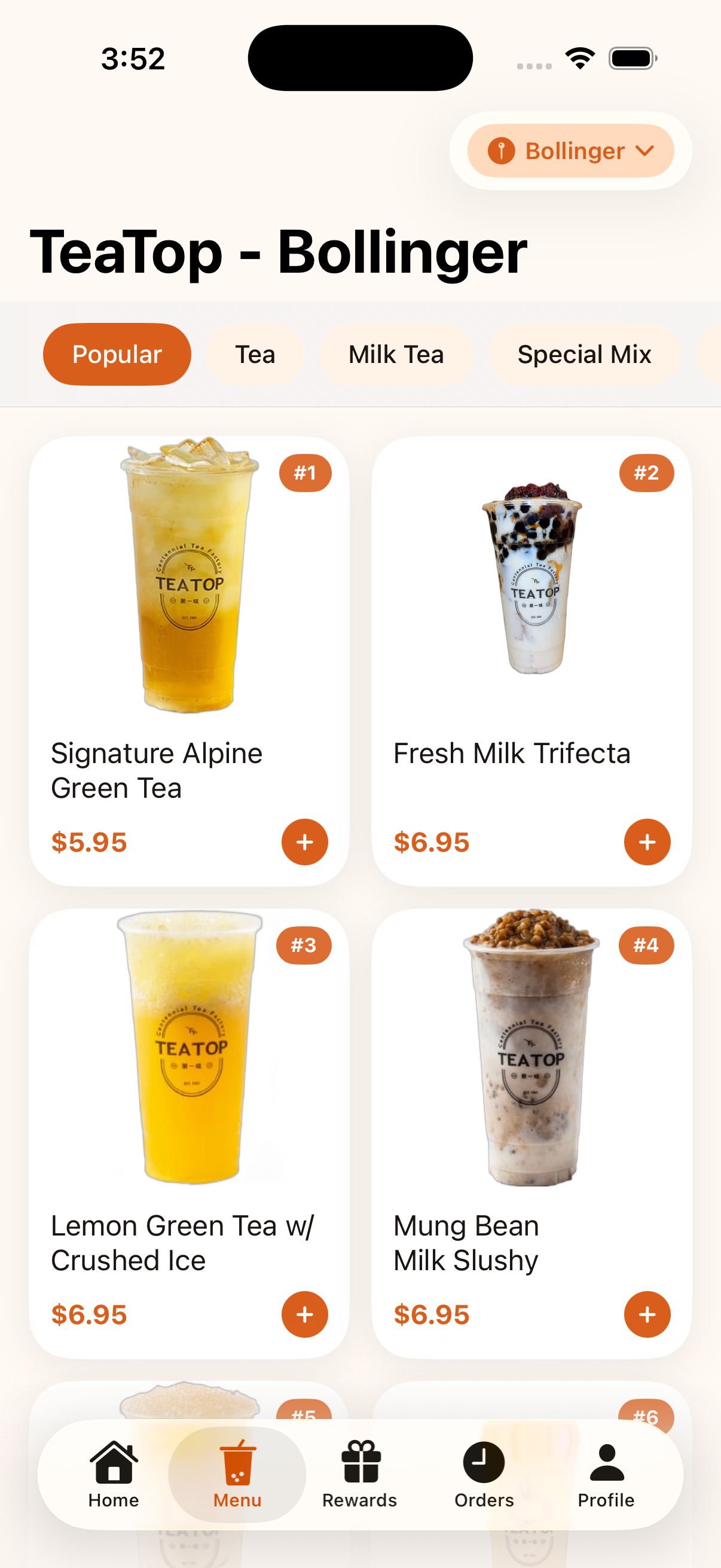
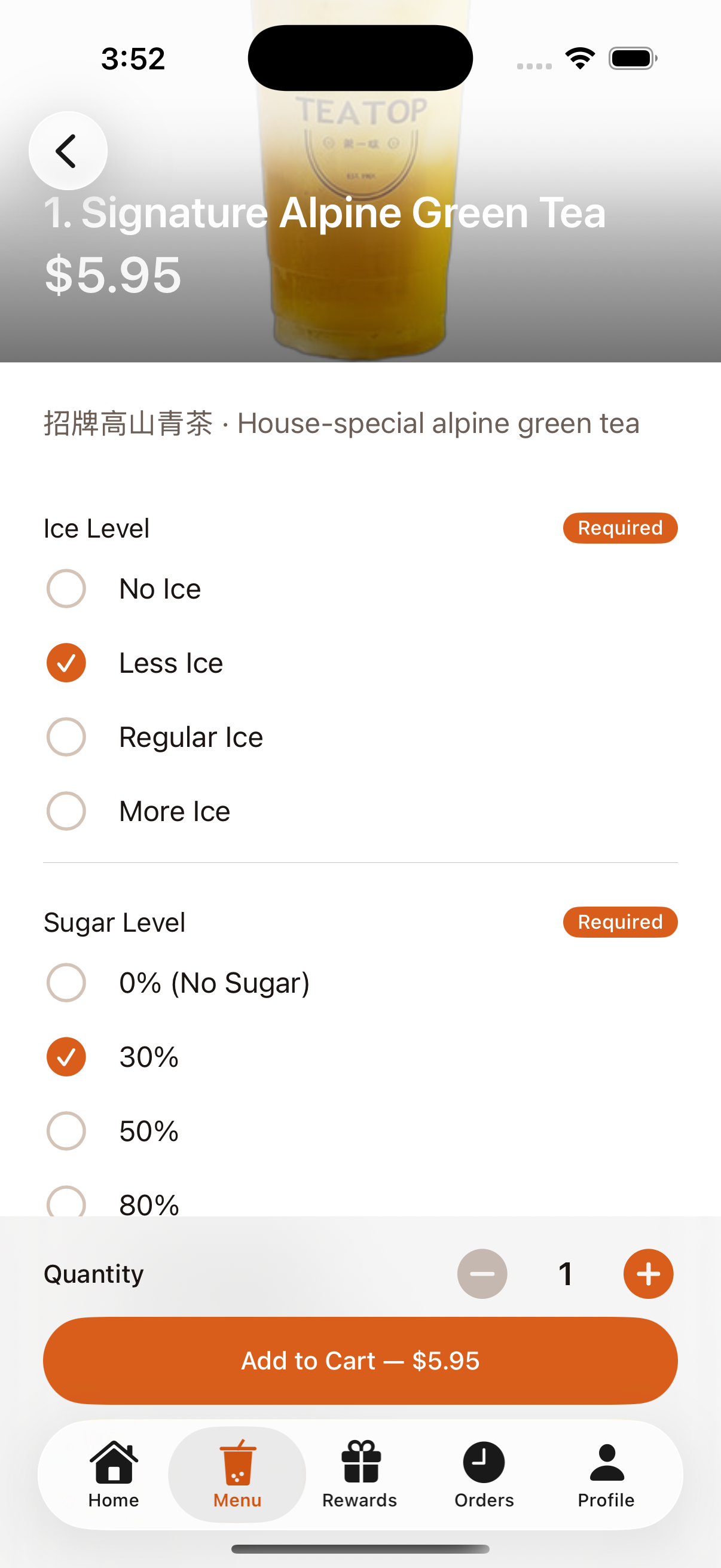
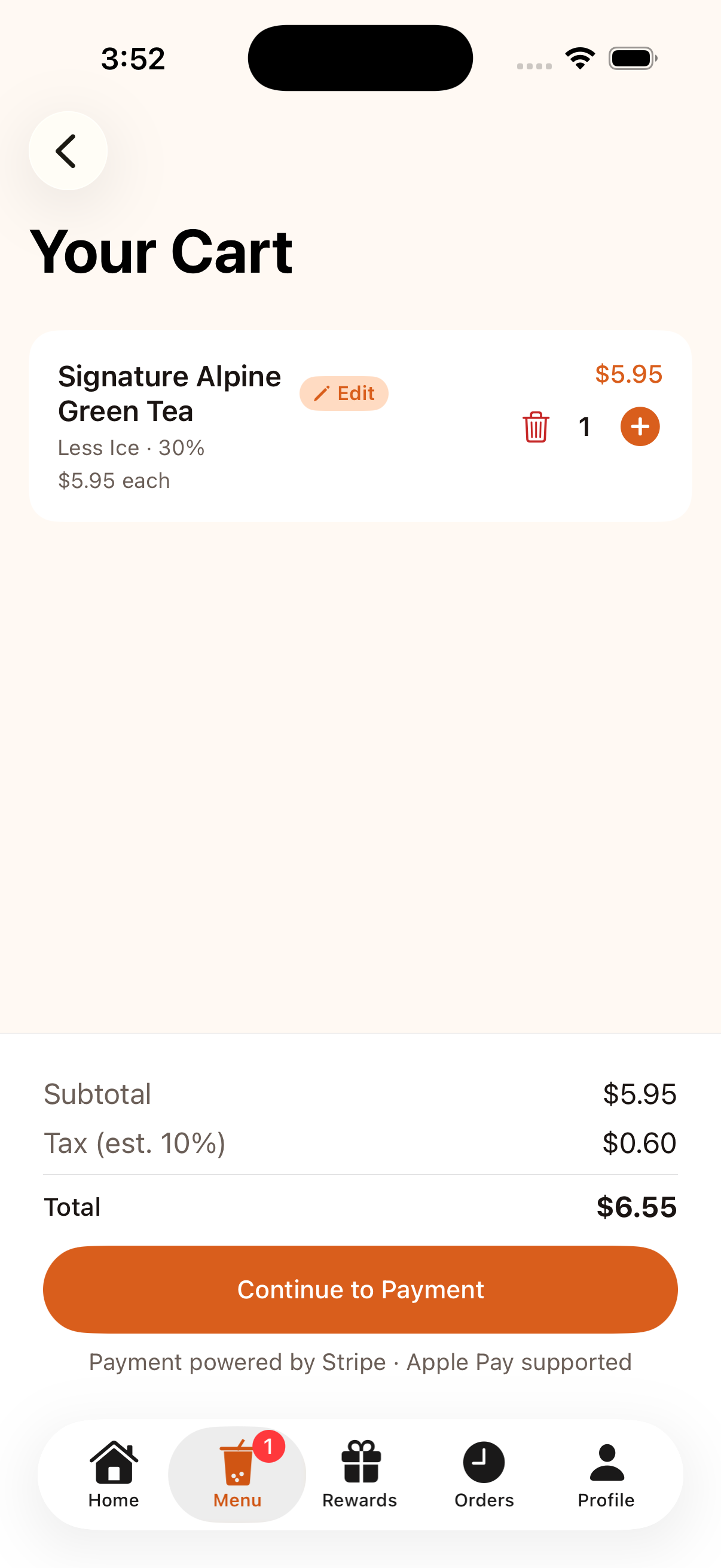
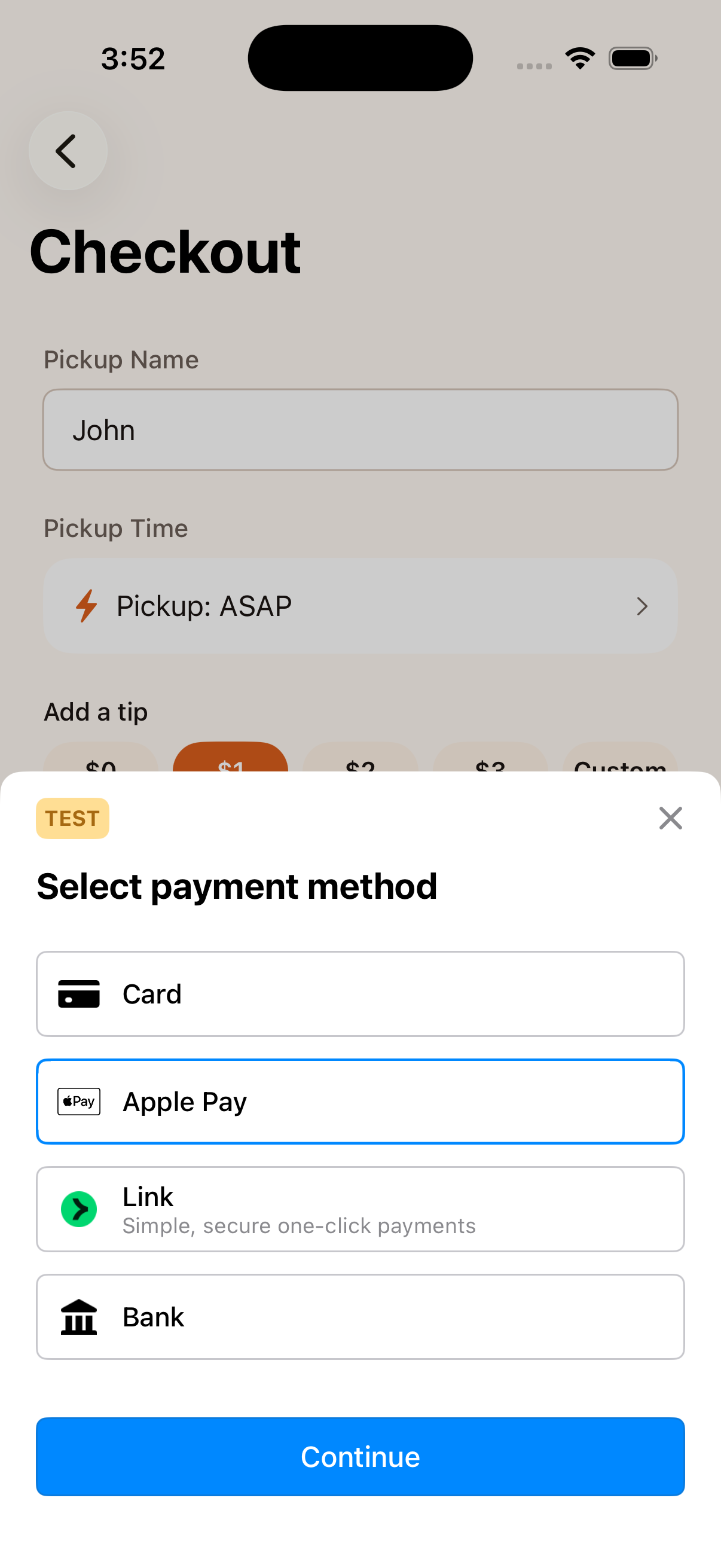
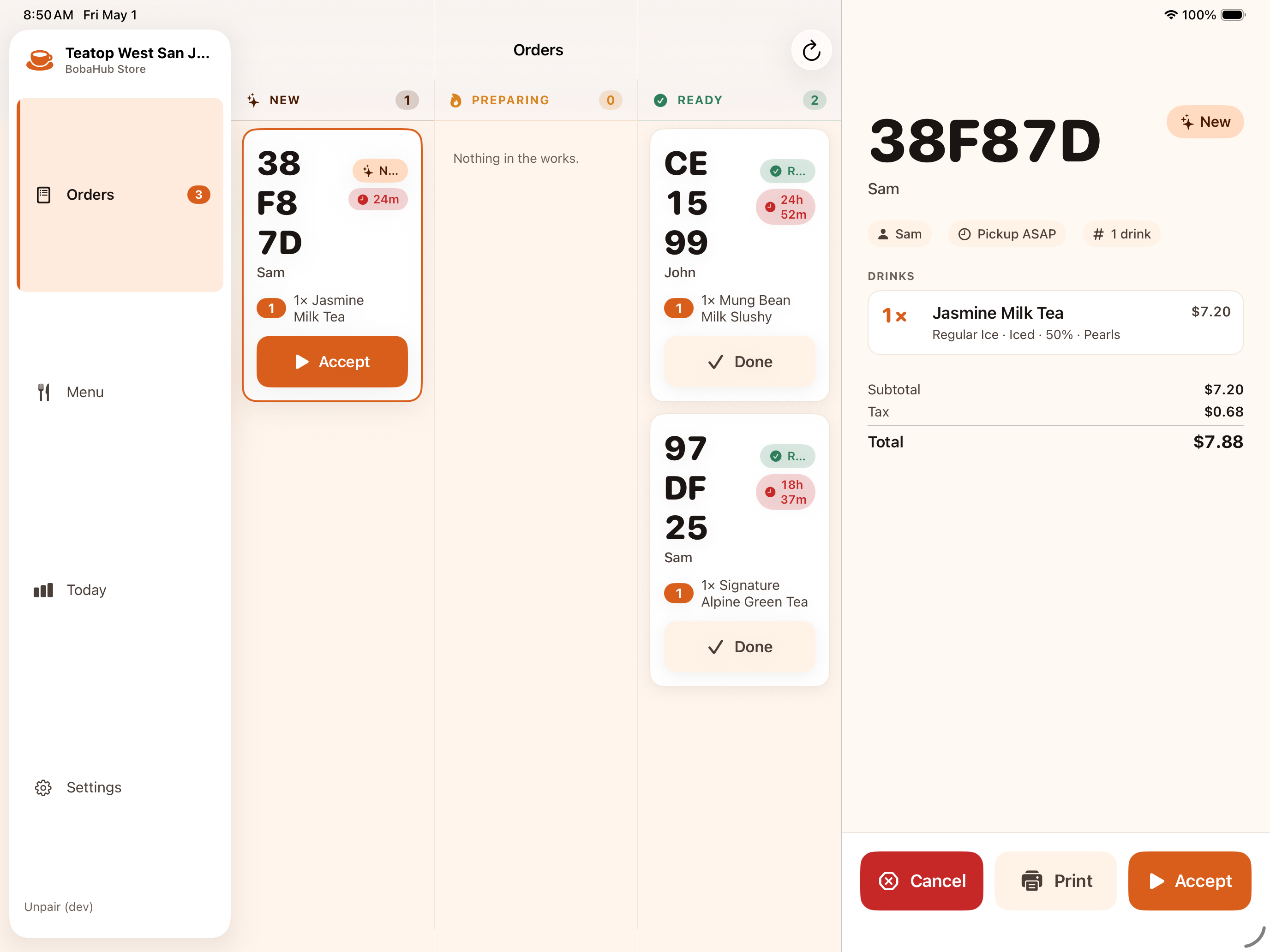
Native iPhone and iPad apps plus fast websites. Example: BobaHub customers order ahead and pay with Apple Pay, while staff run the counter on an iPad.
AllegrowAI designs, builds, and runs real products end to end — iPhone and iPad apps, websites, payments, and the servers behind them. Everything below is live and in use today, not a mockup.
One team that takes a product from idea to a real, paying, running thing — the app, the payments, the backend, and the server it all lives on.
Native iPhone and iPad apps plus fast websites. Example: BobaHub customers order ahead and pay with Apple Pay, while staff run the counter on an iPad.
Card and Apple Pay checkout, automatic fee splitting, subscriptions, and receipts. Example: BobaHub takes real Stripe payments and routes money to each store automatically.
Accounts, secure logins, databases, and push notifications — the parts that keep data correct. Example: order-ready alerts, and saved work that survives a reload.
We put it on a real server with a real domain, HTTPS, and monitoring — and keep it running. Example: BobaHub runs 24/7 with automated, security-scanned deploys.
Every one of these is live and usable today. Each shows a different mix of what we do: consumer apps, payments, accounts, games, and content platforms.
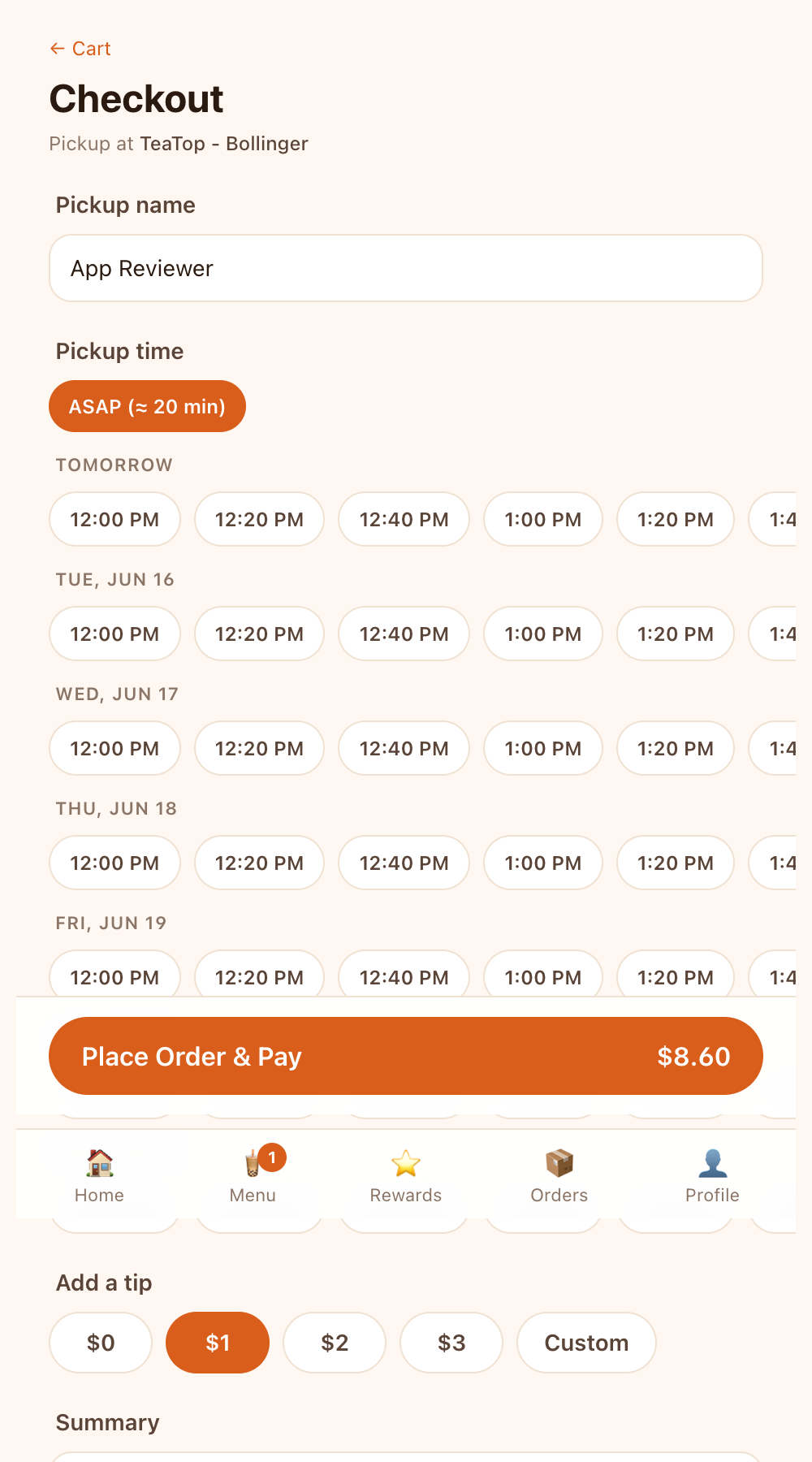
Order-ahead, payments, and a counter system for a real bubble-tea chain.
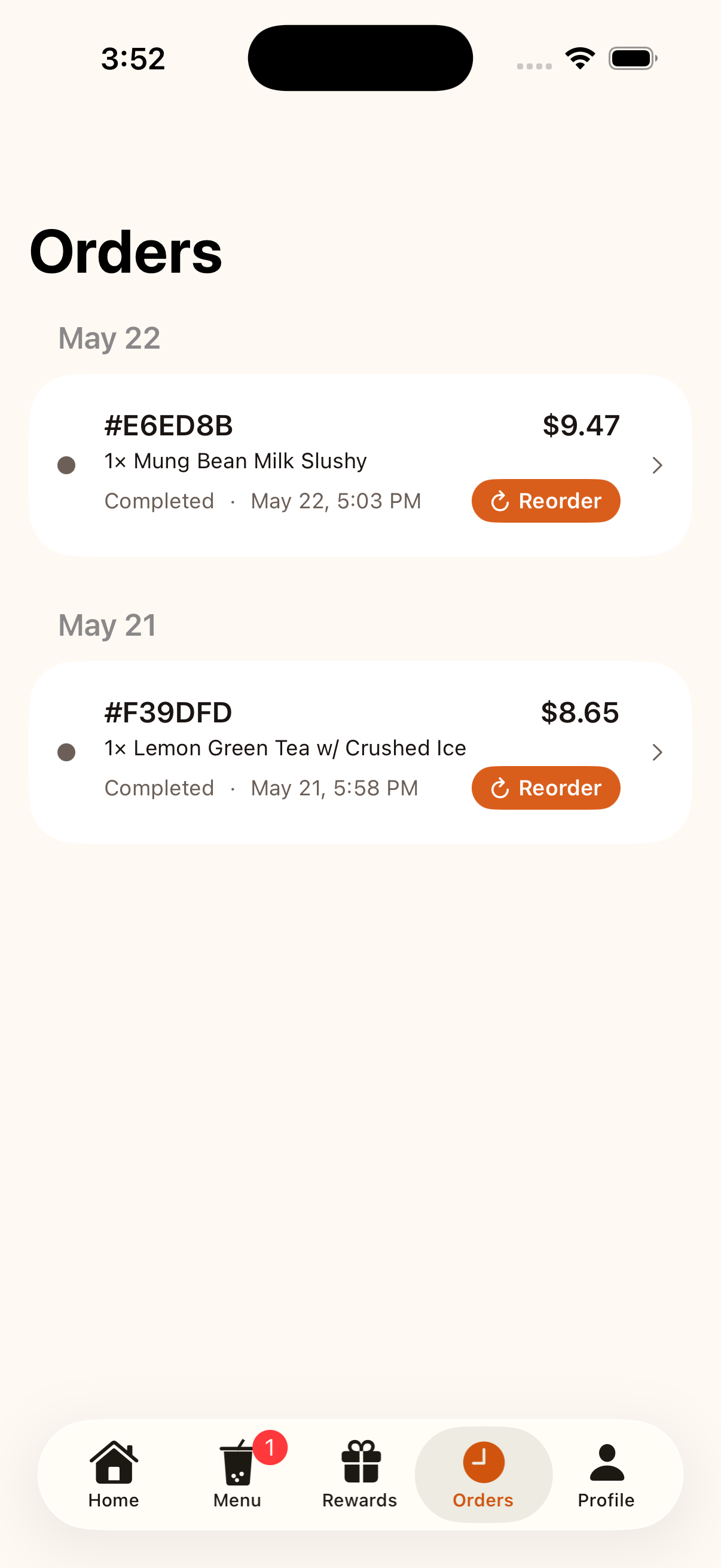
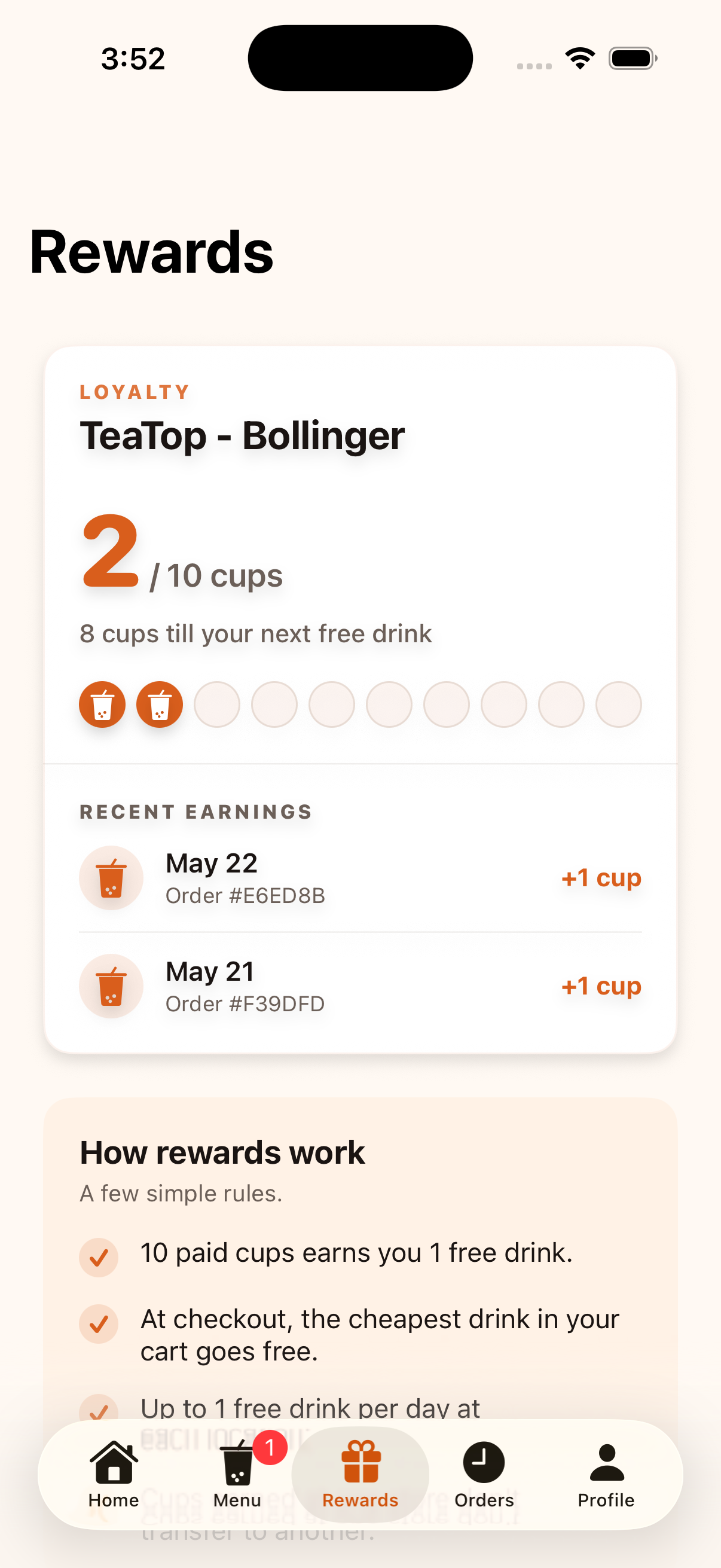
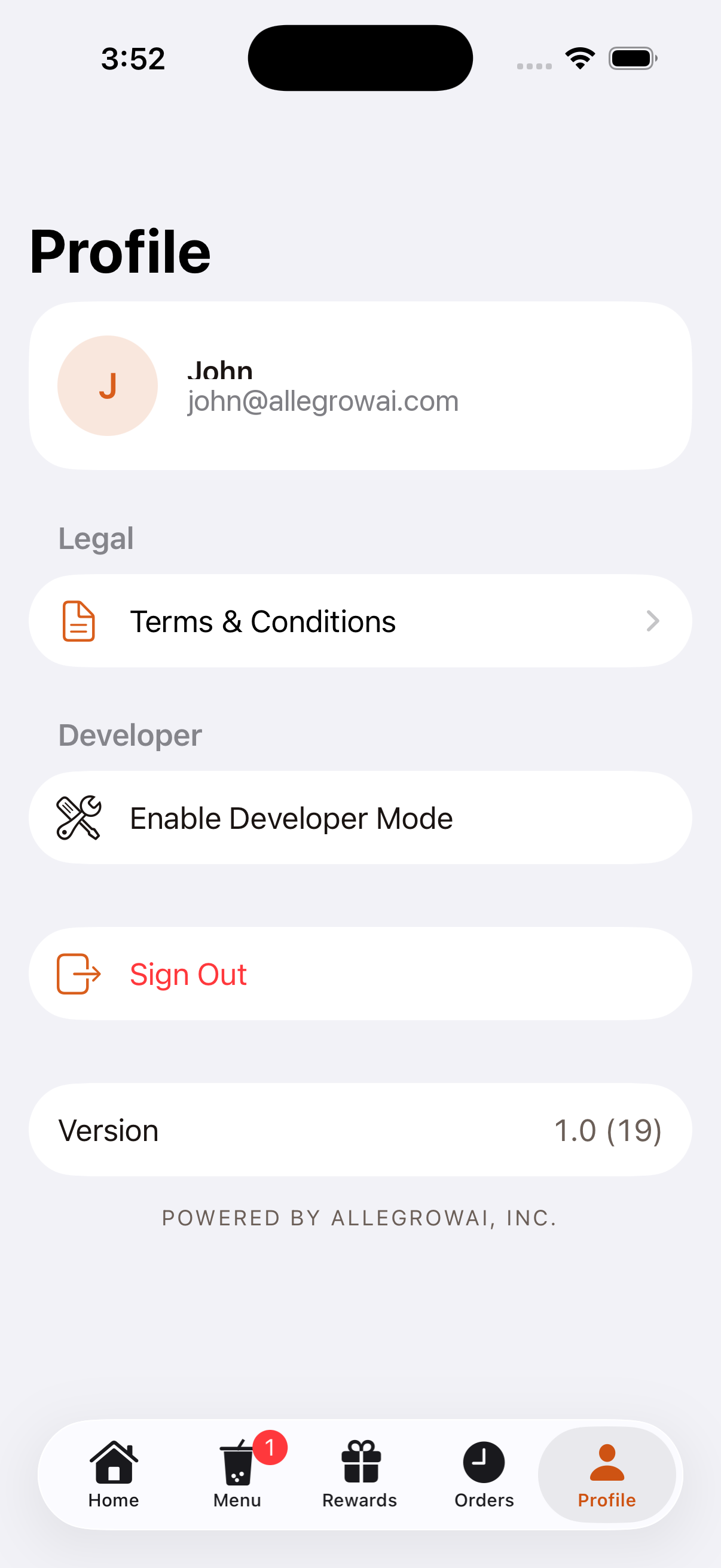
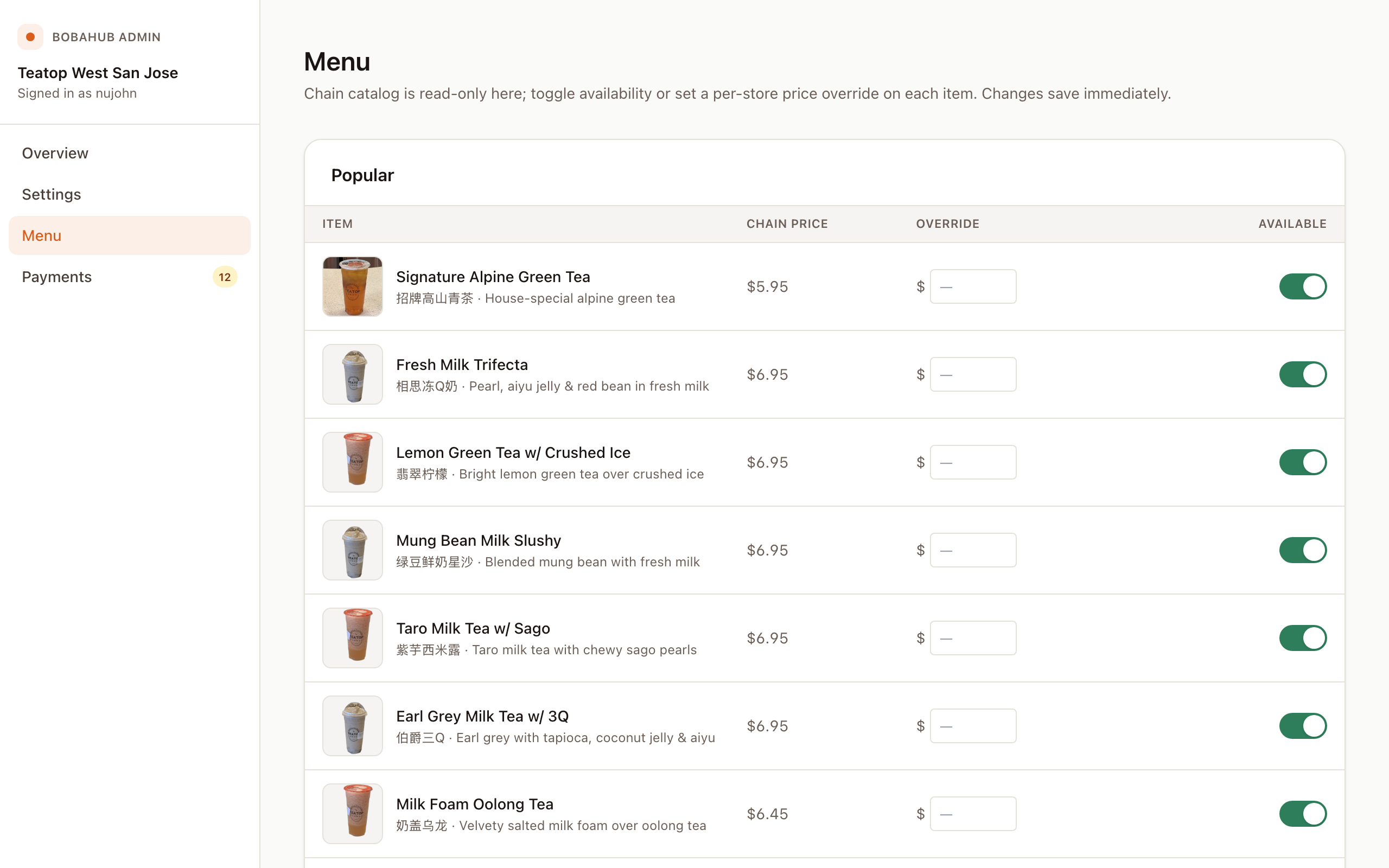
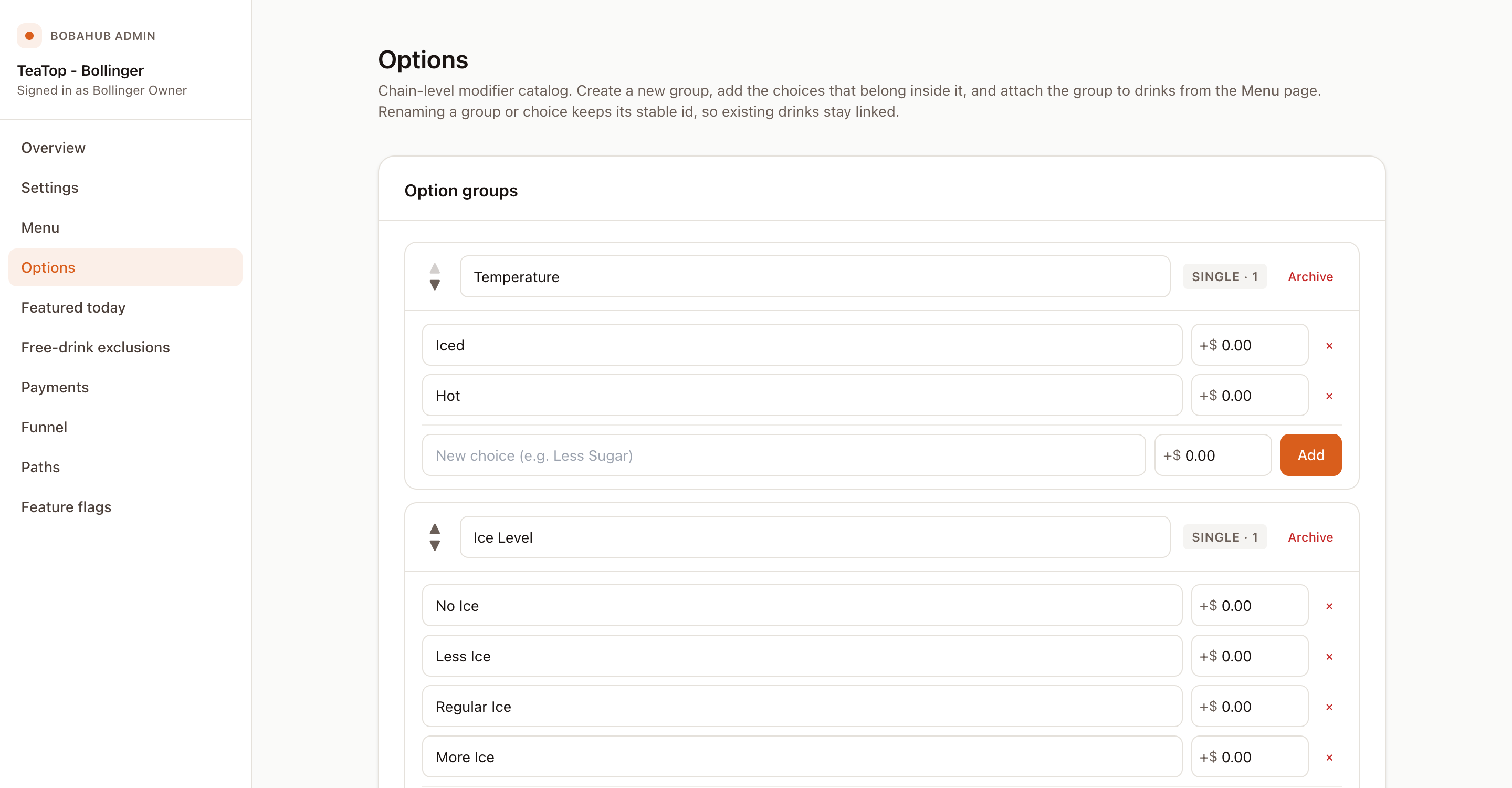
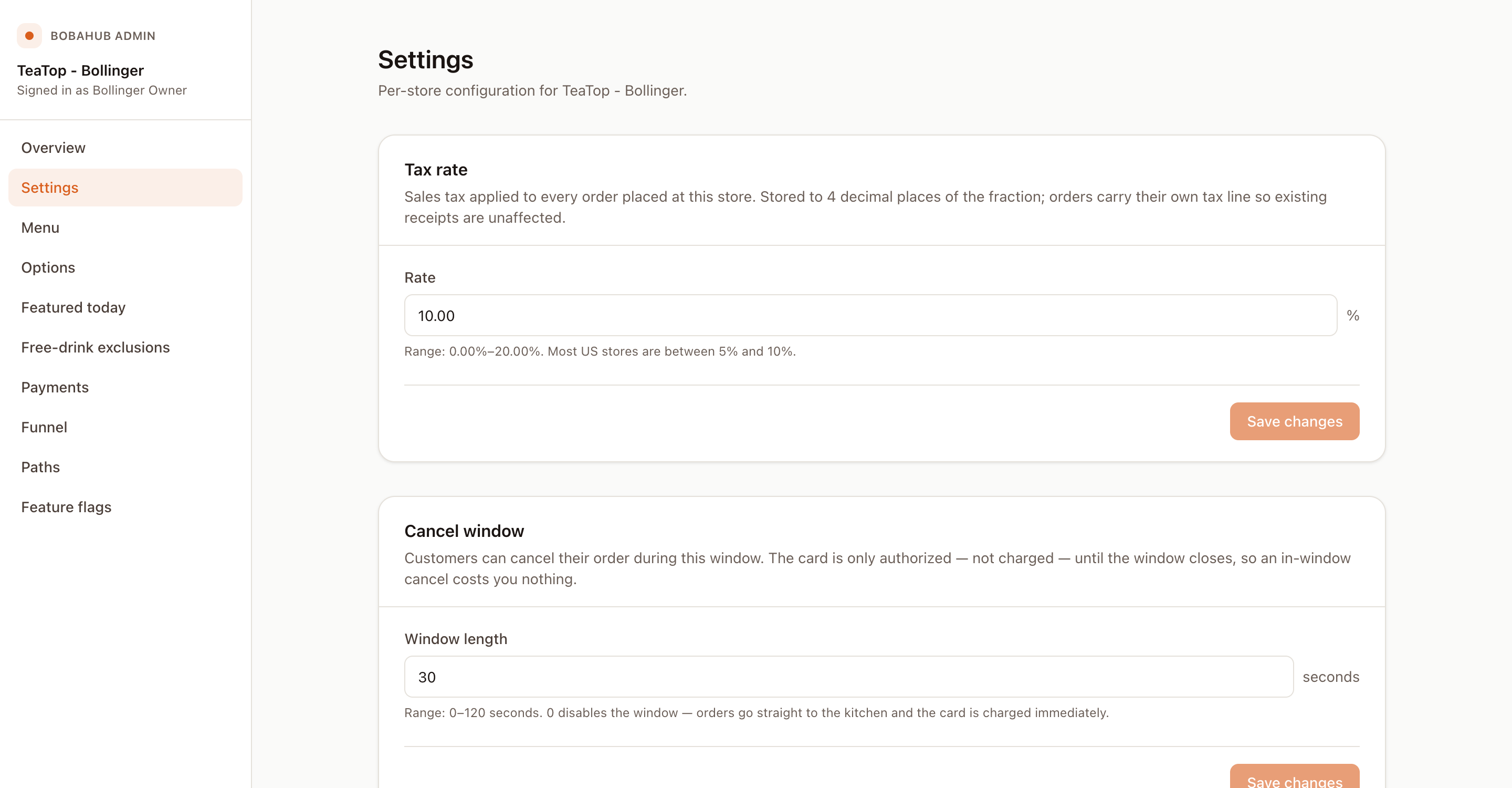
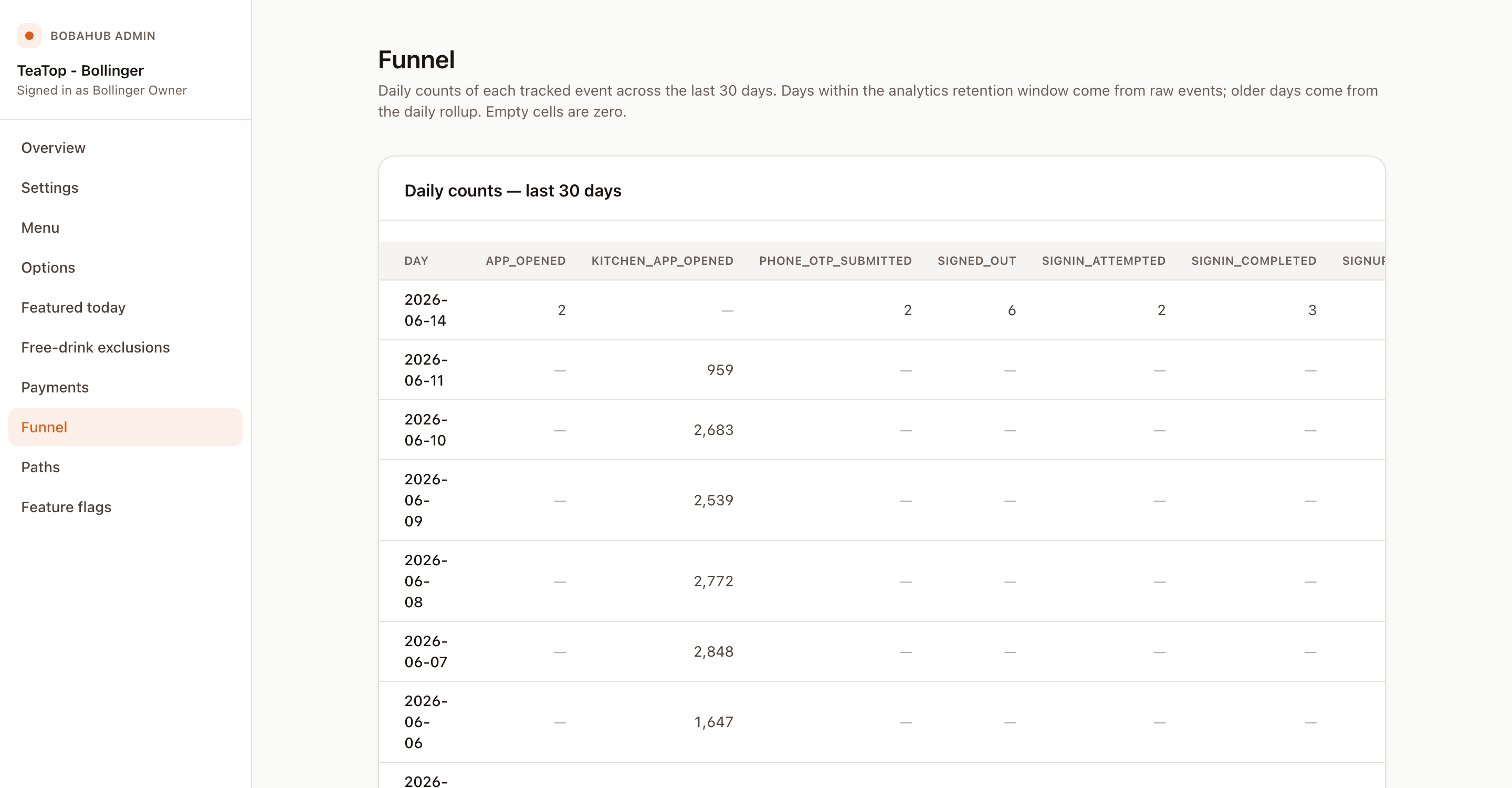
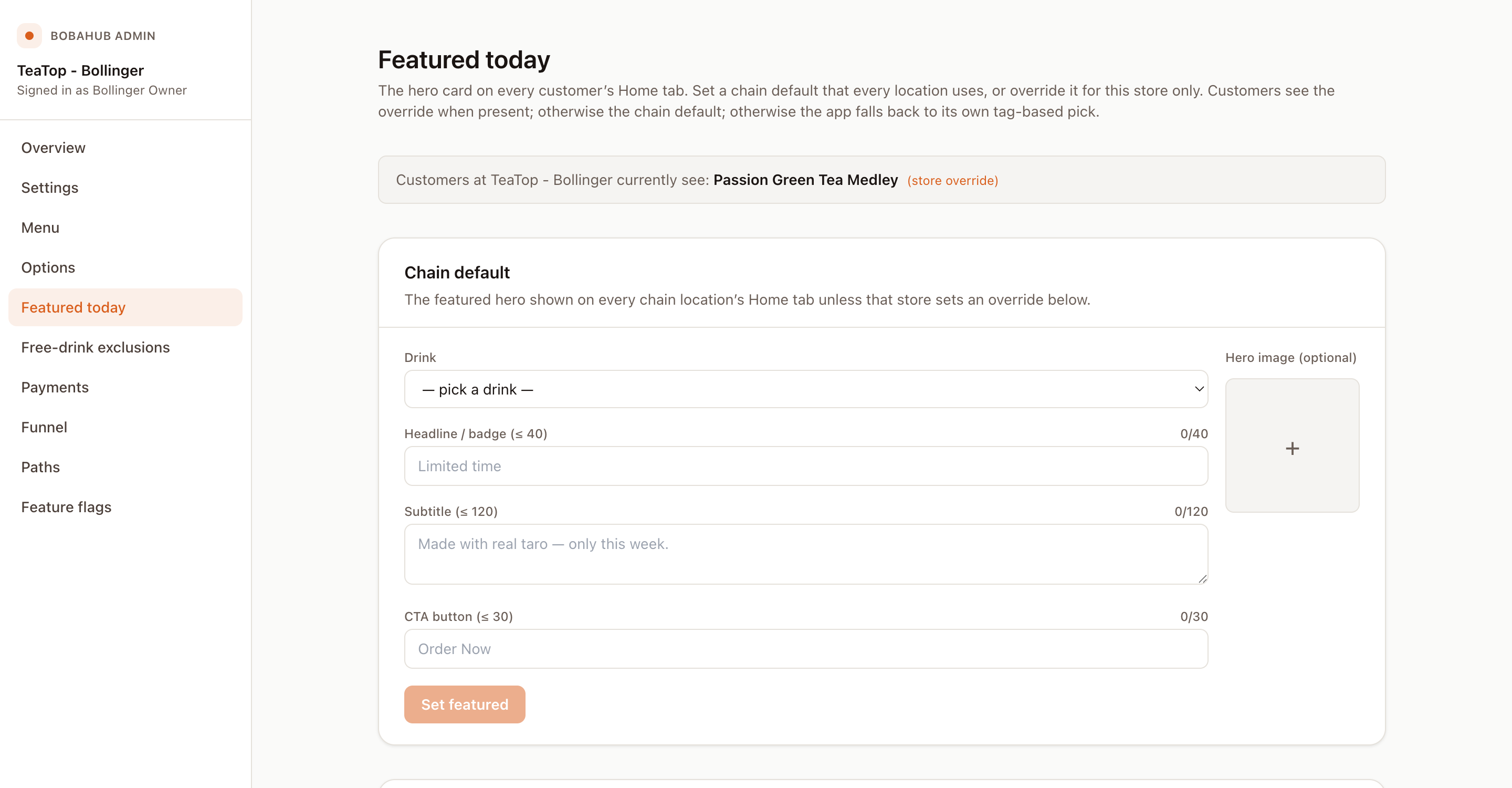
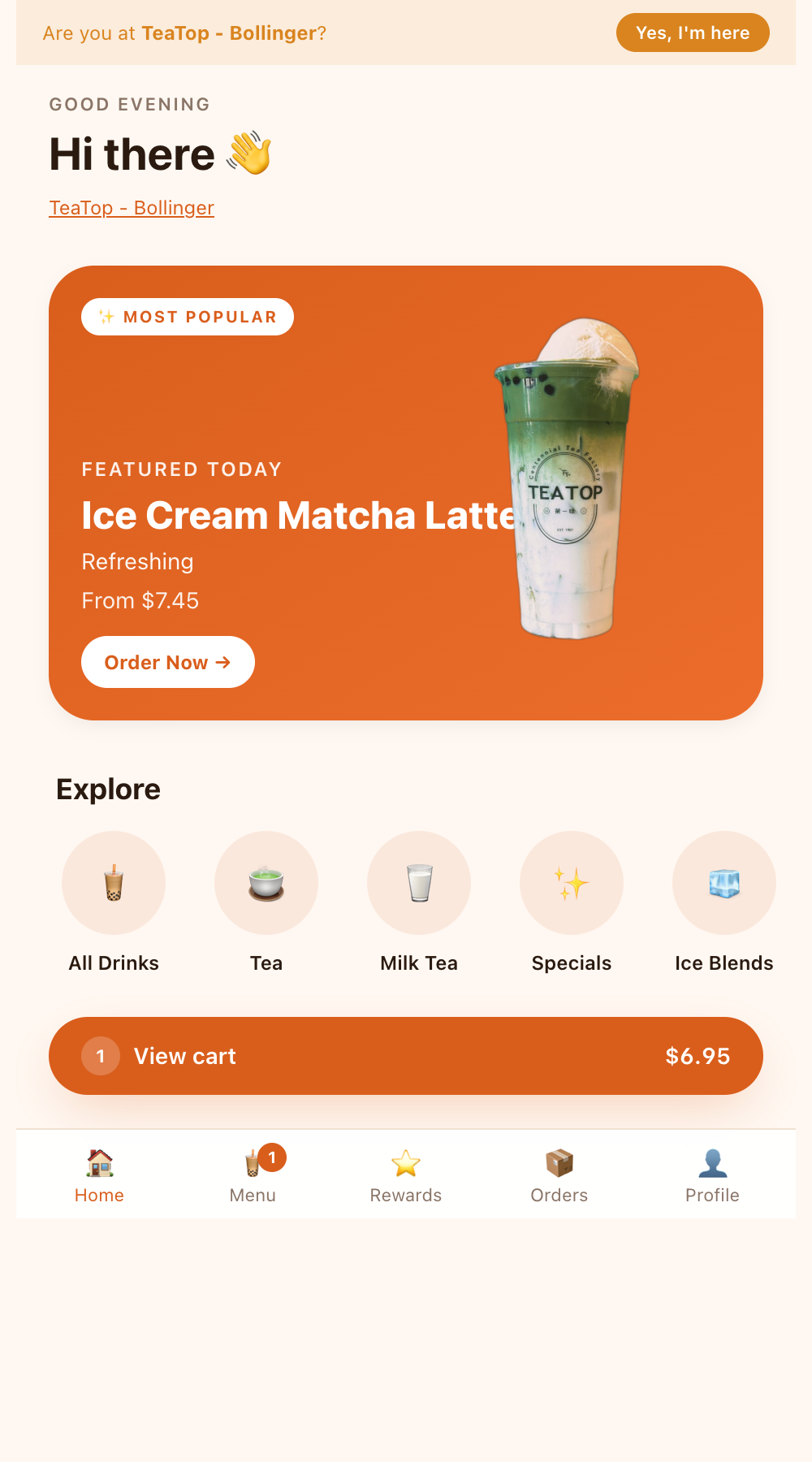
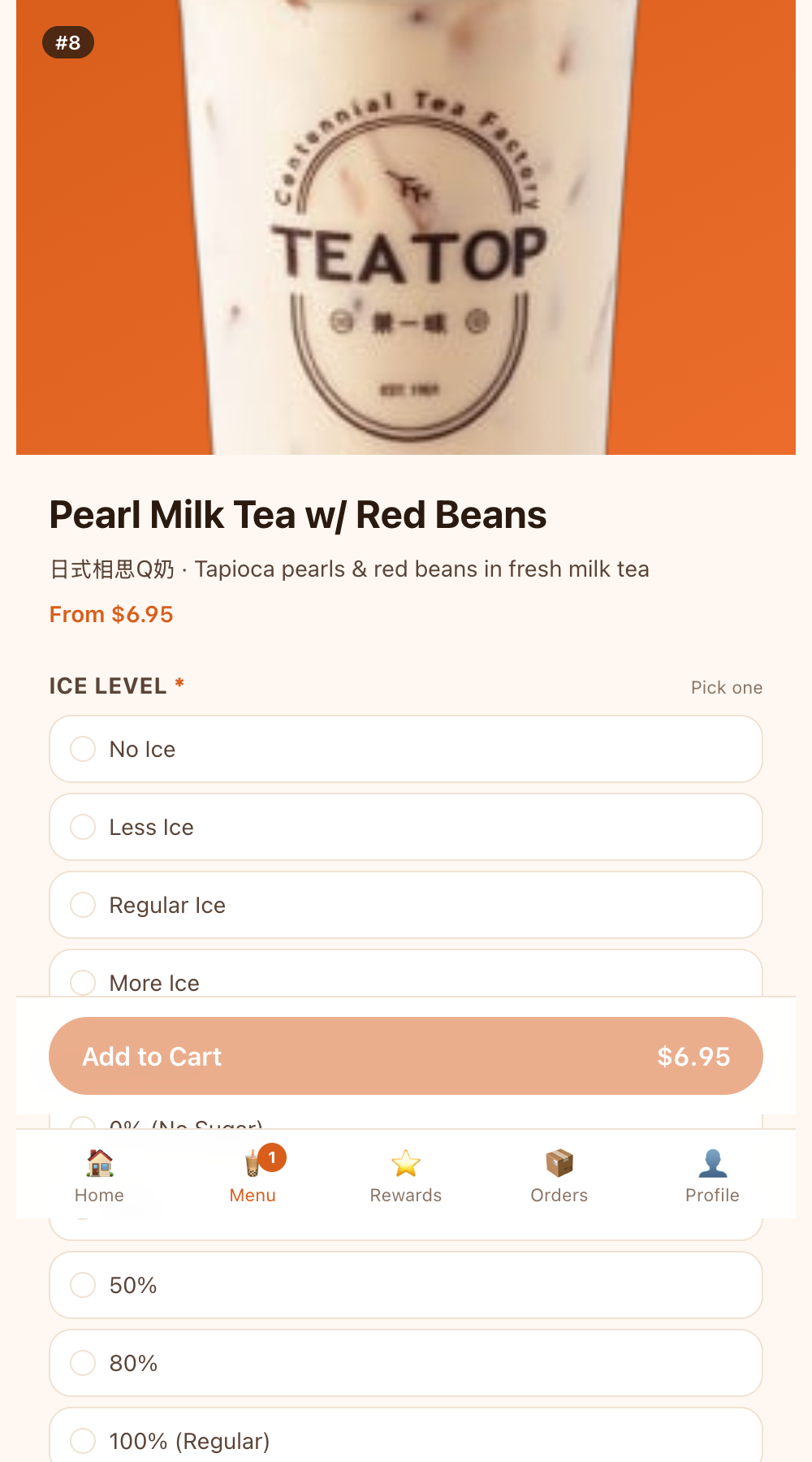
BobaHub is a complete ordering platform for a bubble-tea chain. Customers browse the menu, customize their drink, and pay with Apple Pay or card — in the app or on the web. Staff run the counter on an iPad that prints a label for every cup and tracks each order from new to ready. It is live in production today, with real payments, real stores, and apps on Apple's TestFlight.

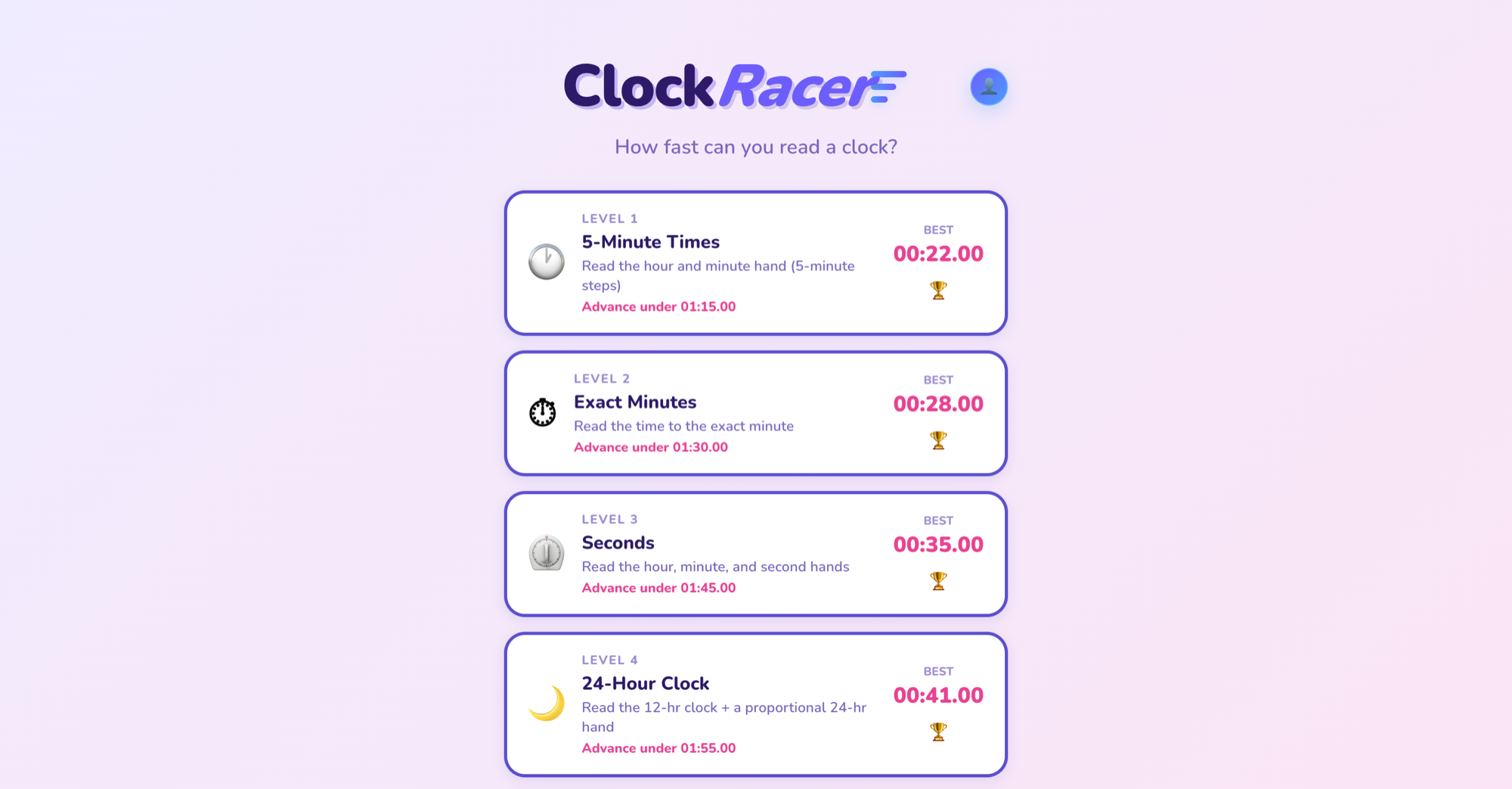
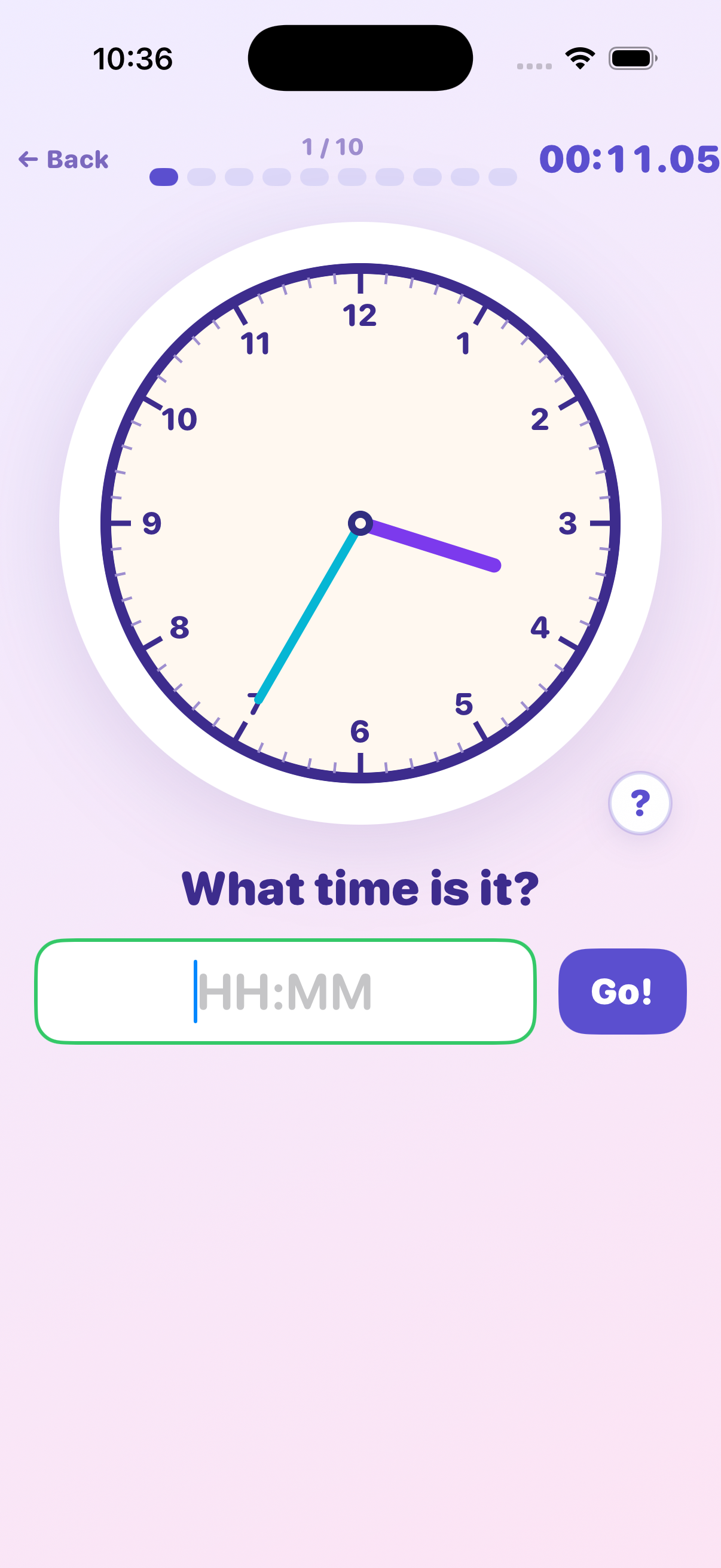
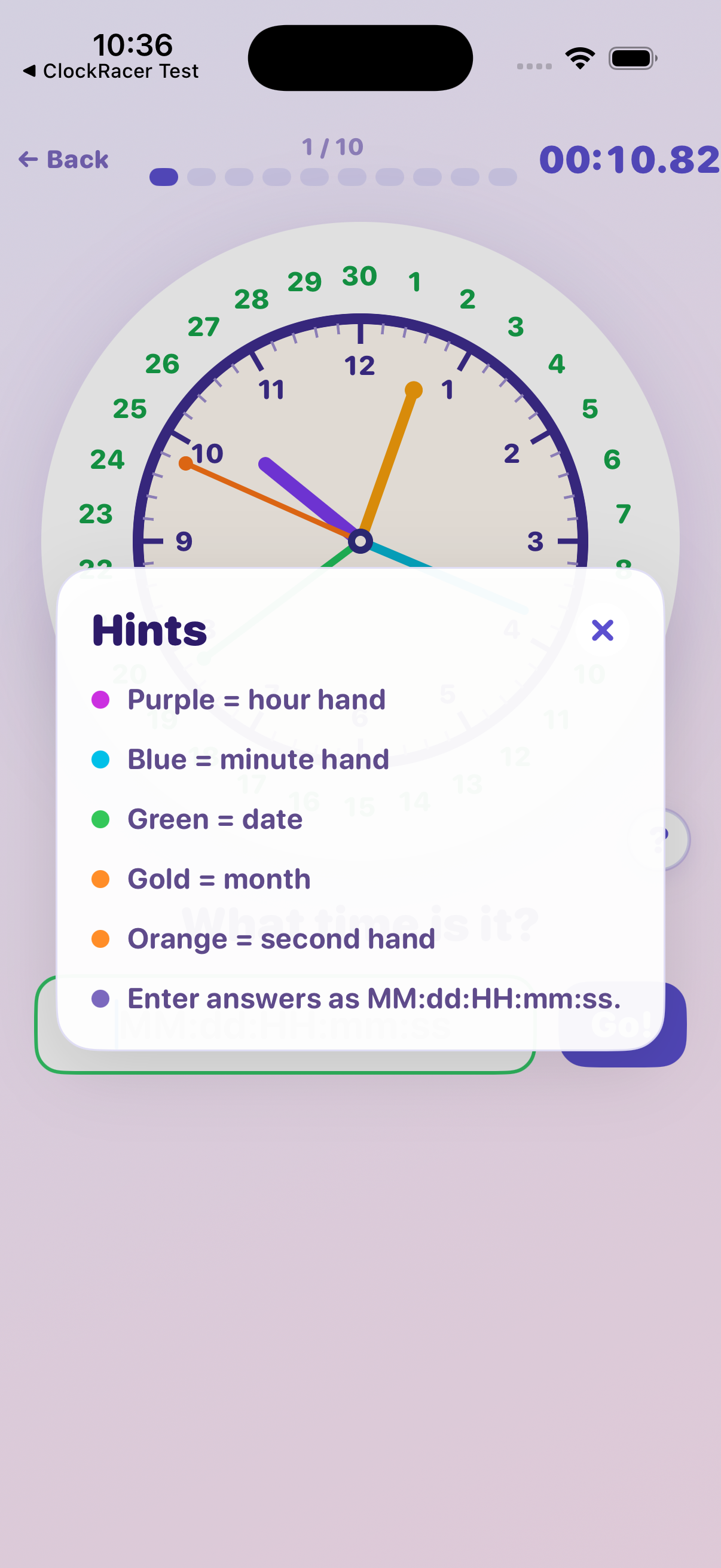
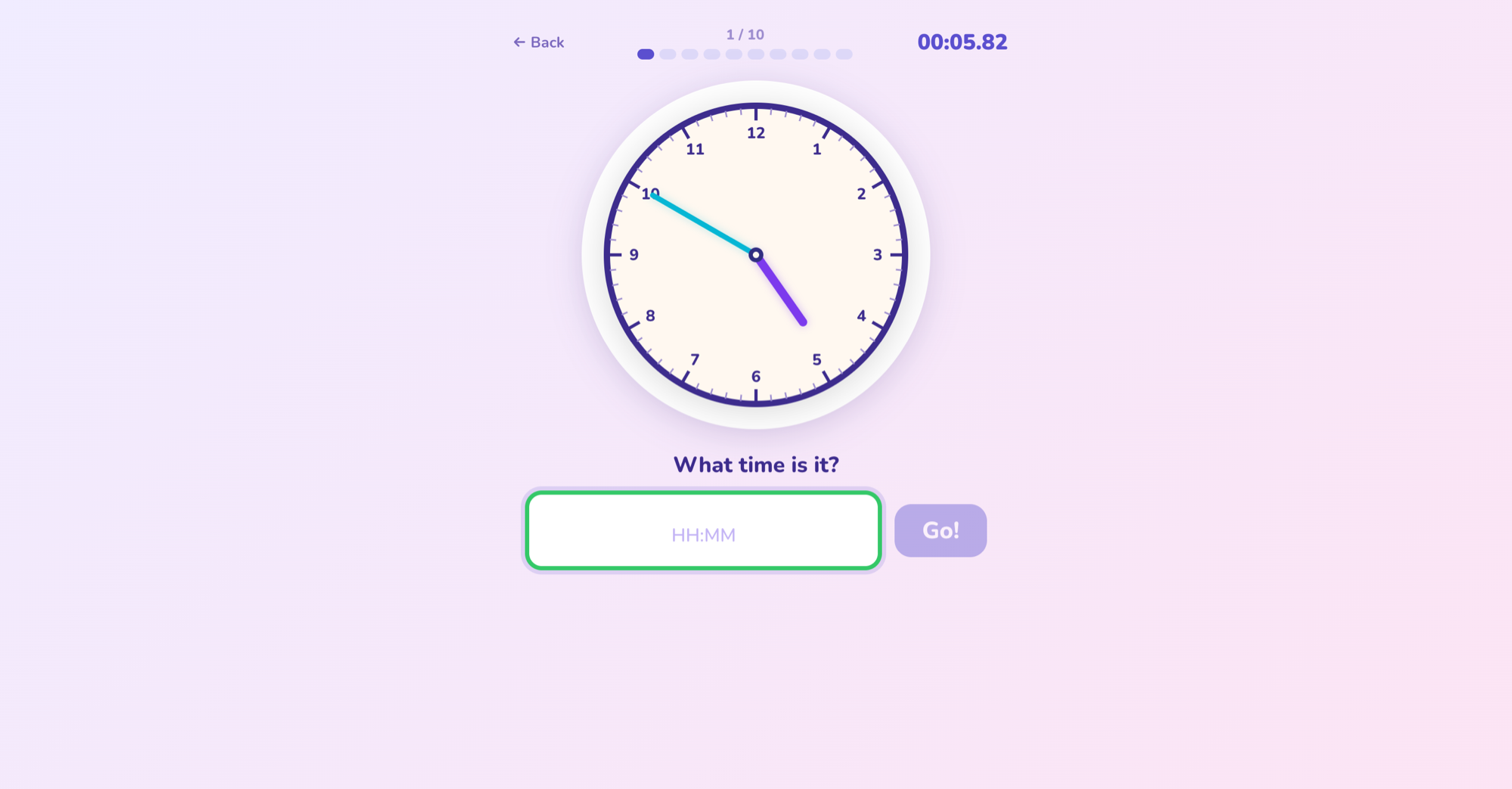
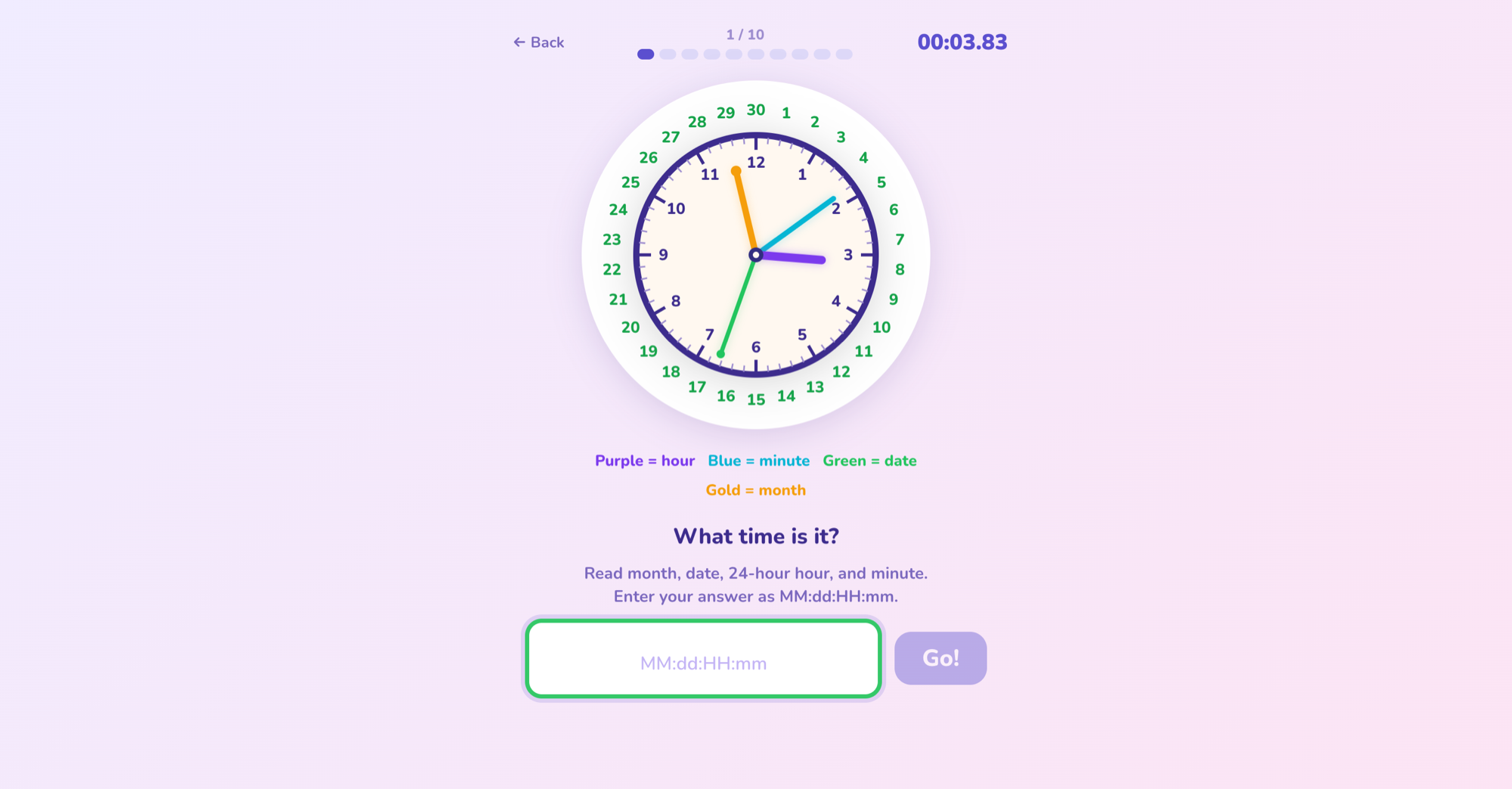
A game that teaches kids to read an analog clock — against the clock.
ClockRacer turns reading an analog clock into a fast, replayable game: see the clock, type the time, beat your best. It plays in any browser and on iPhone, with leaderboards, achievements, and saved progress whether you play as a guest or sign in. It is live today at clockracer.com.
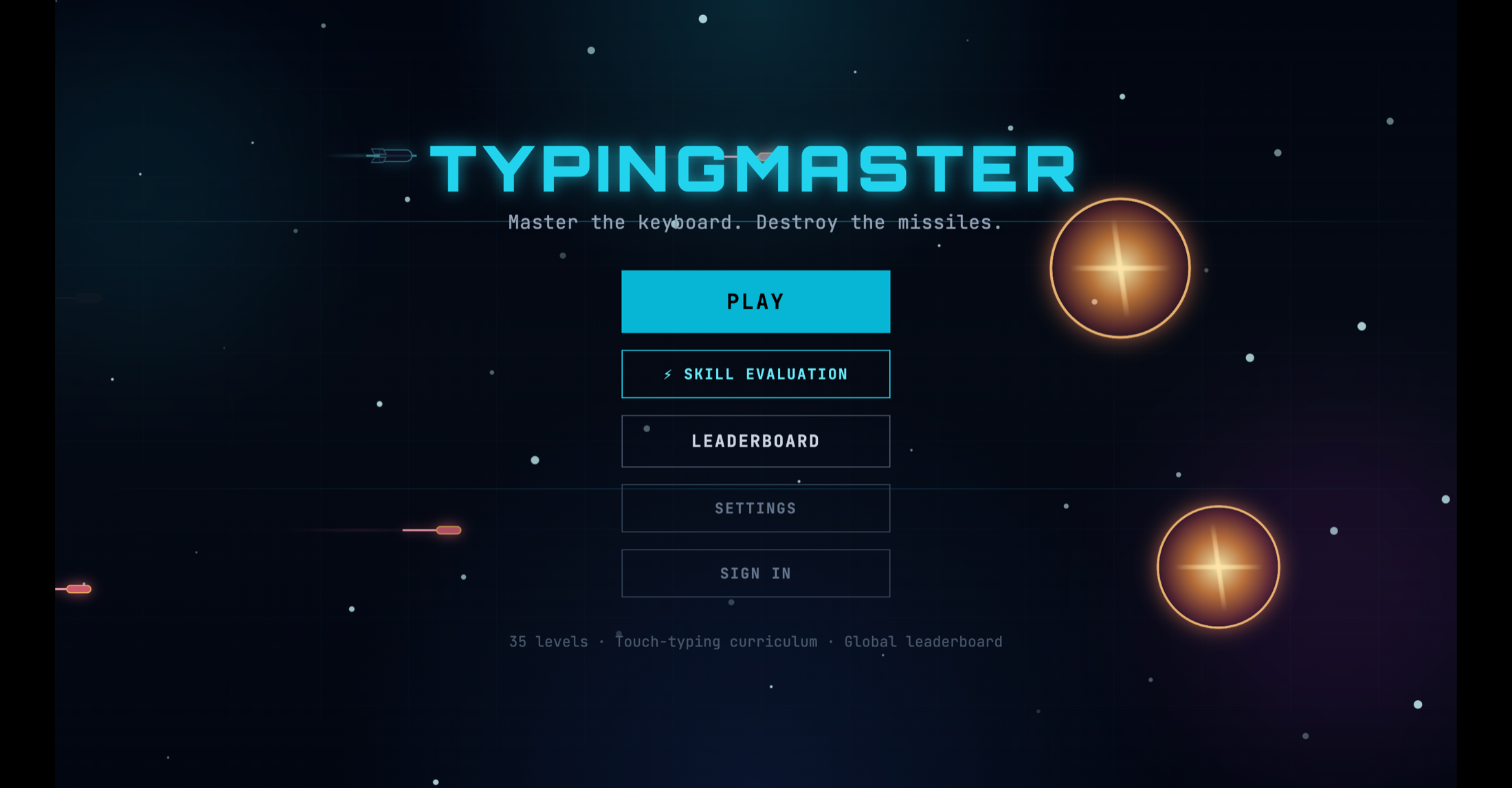
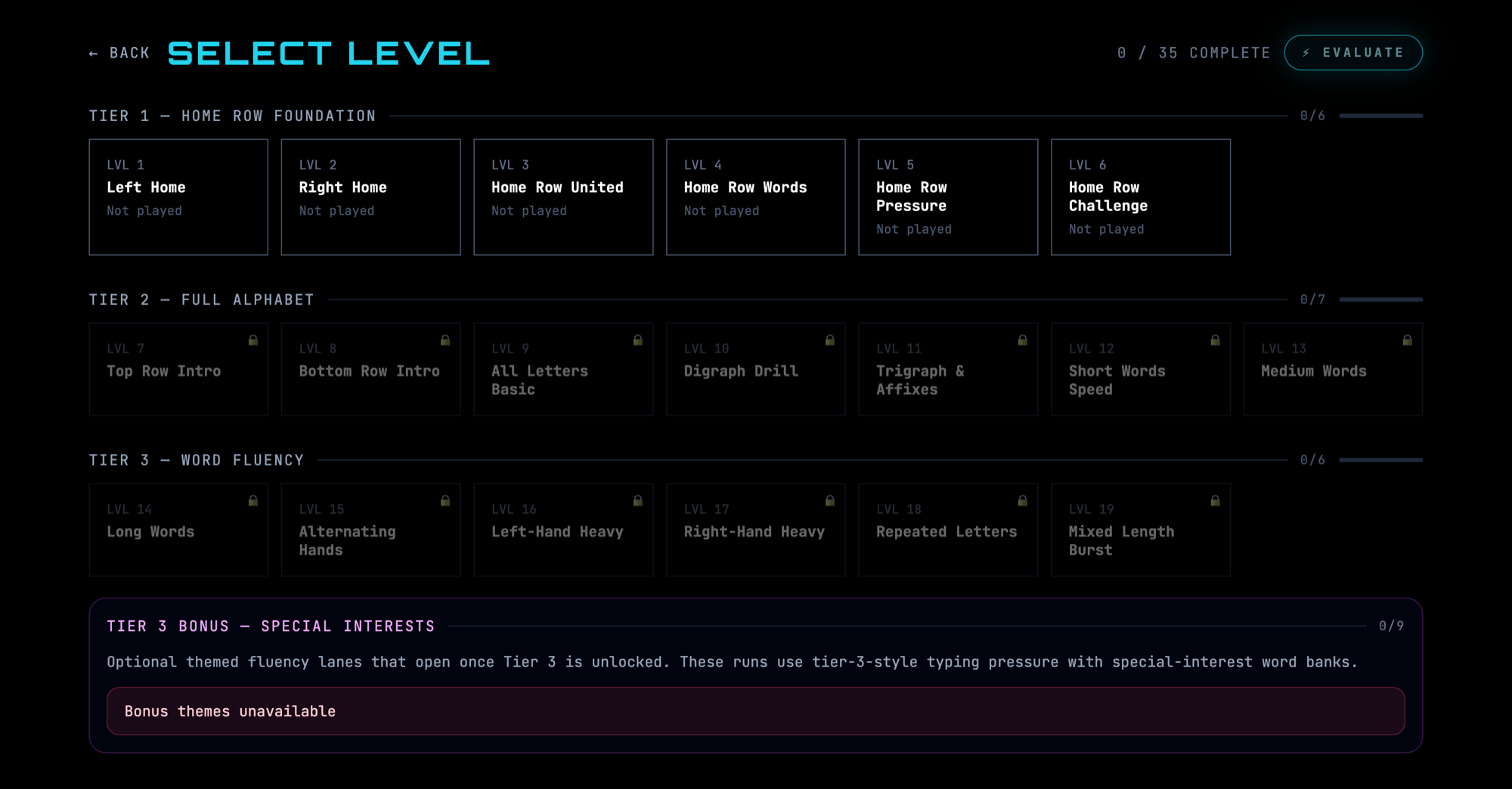
An arcade typing game that teaches real touch-typing.
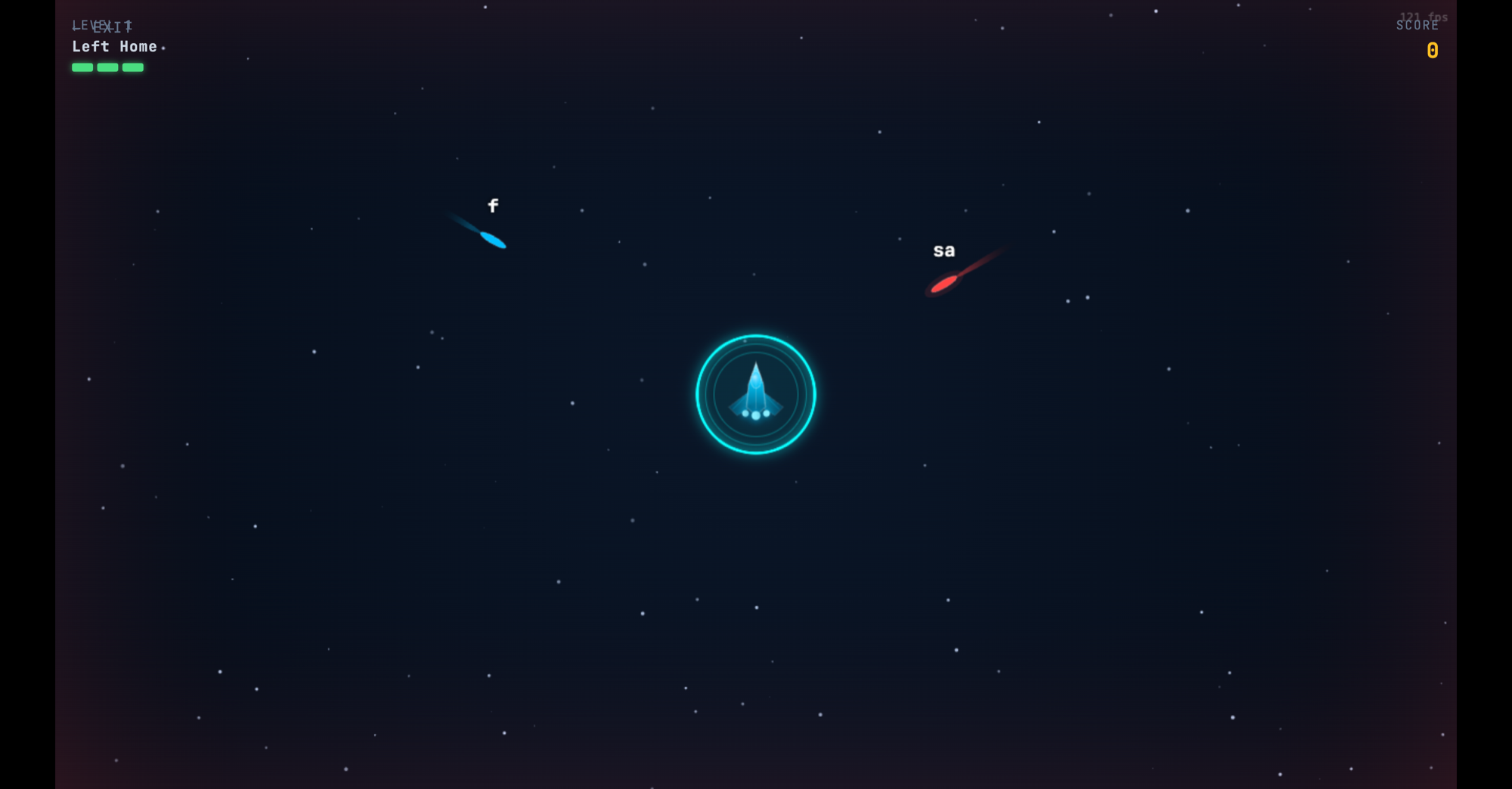
TypingMaster turns learning to type into an arcade game. Words ride incoming missiles toward your ship, and you destroy each one by typing it before it lands. 35 levels build from the home row all the way up to symbols and real programming tokens, and your progress saves to your account.
A 30-day plan to get iOS engineers interview-ready.
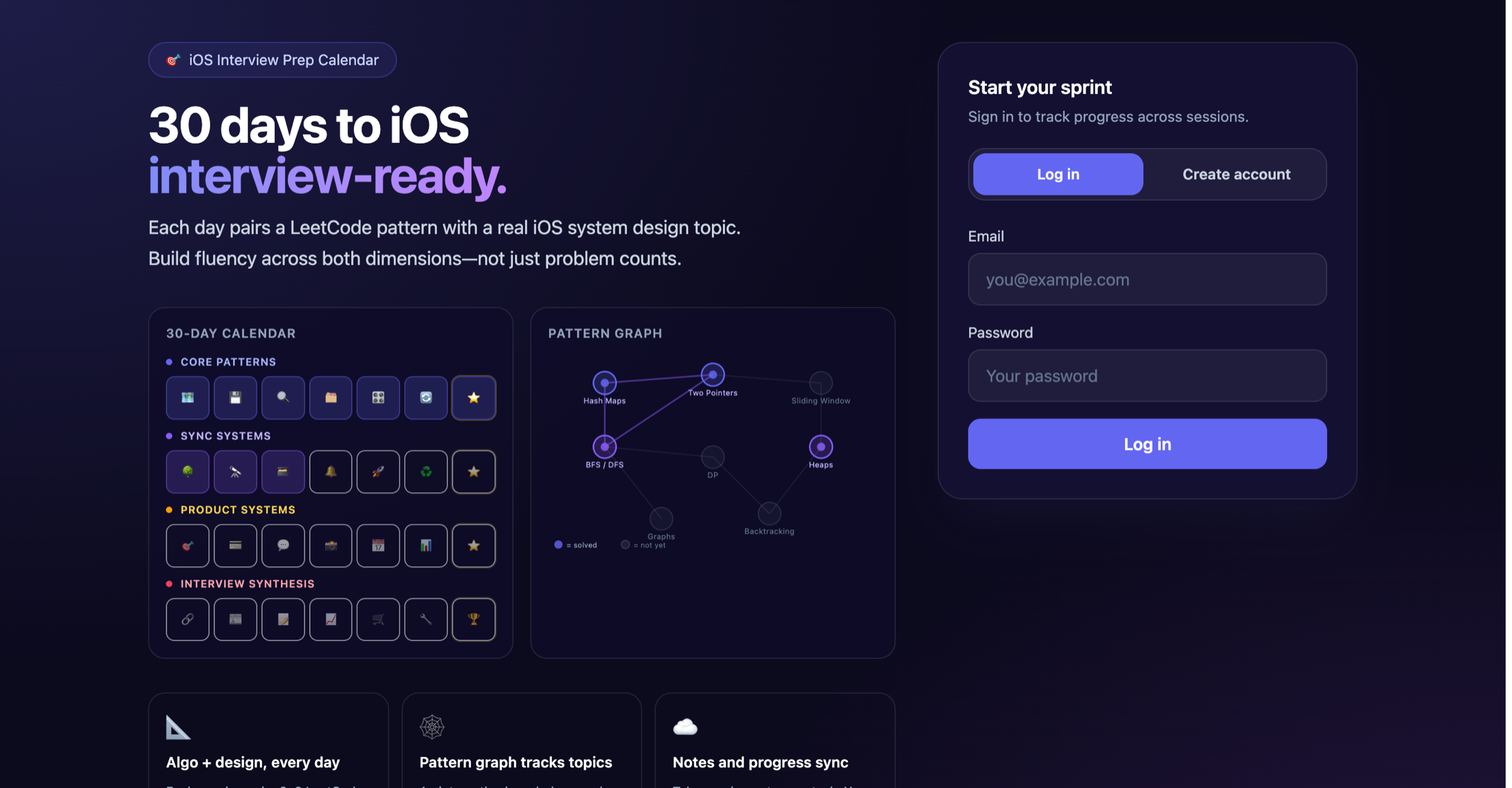
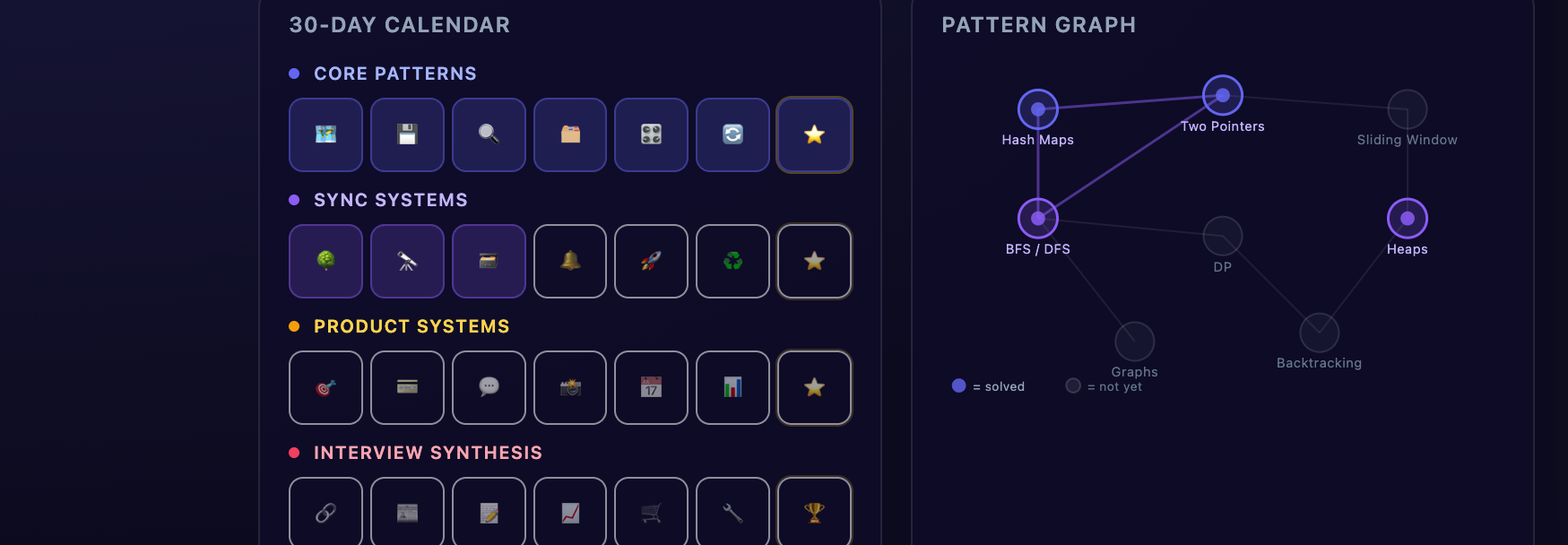
Interview Prep is a guided 30-day program for iOS engineering interviews. Each day pairs a LeetCode pattern with a real iOS system-design topic, so you build both skills at once instead of just grinding problem counts. A pattern graph shows what you've covered, and your notes and progress sync to your account.

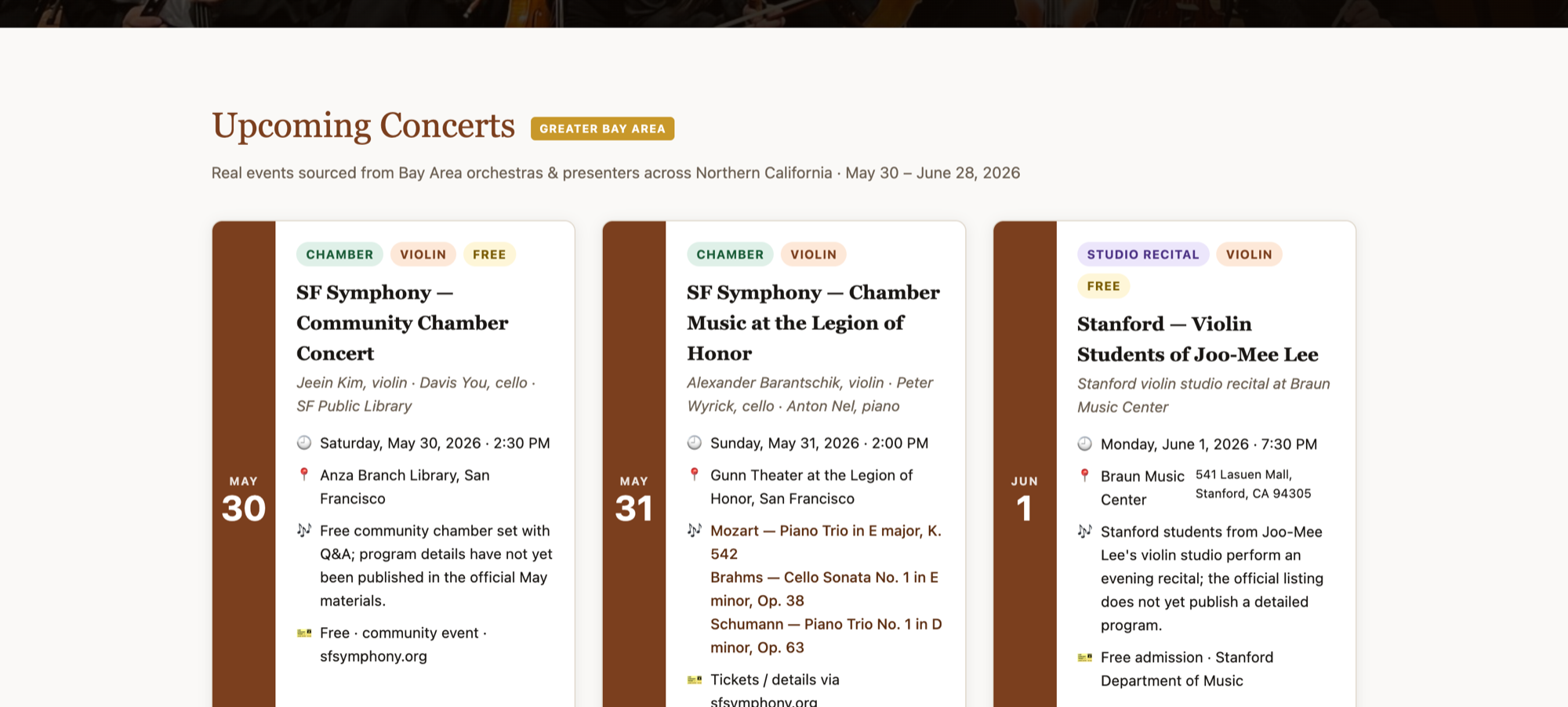
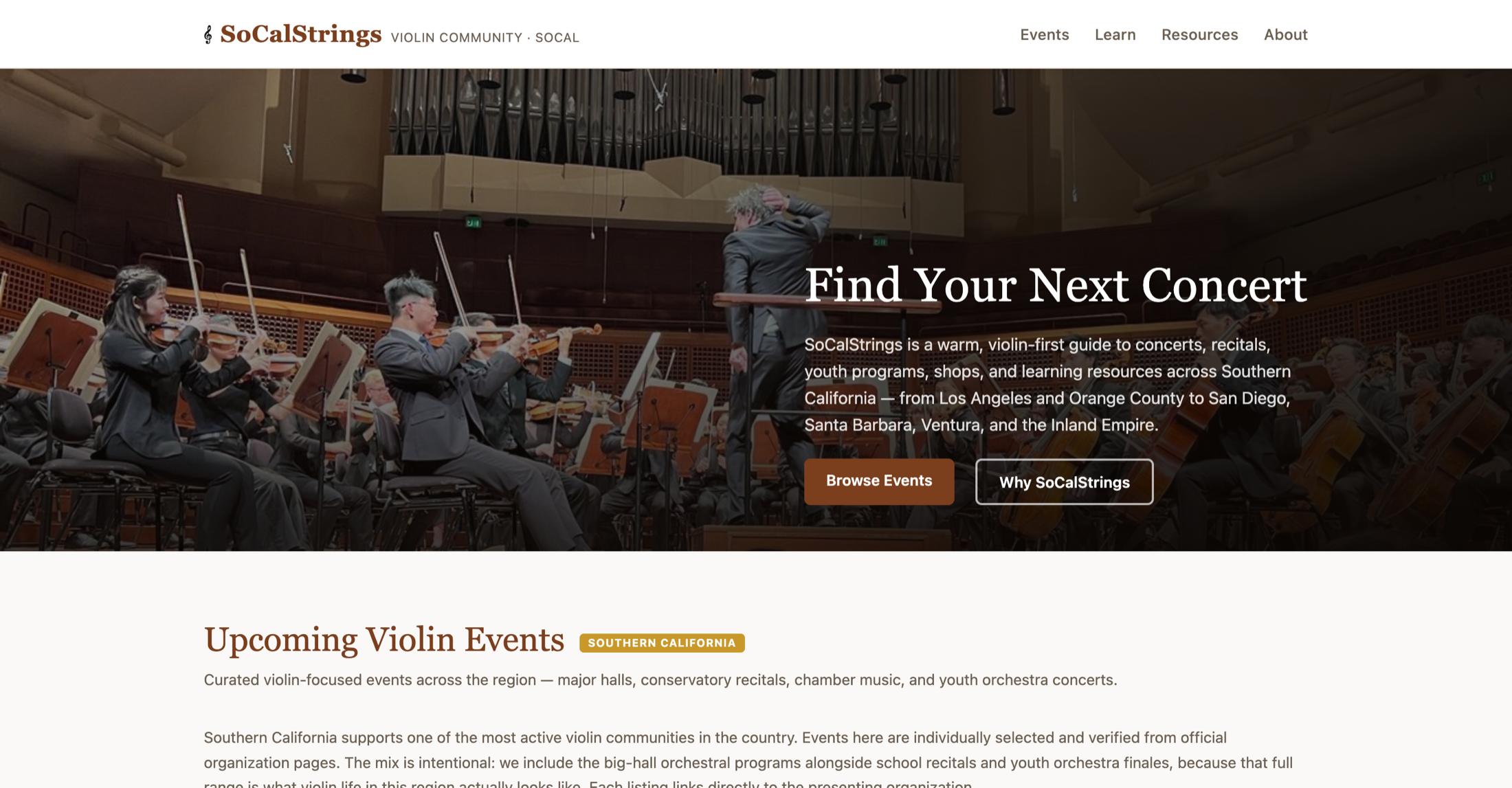
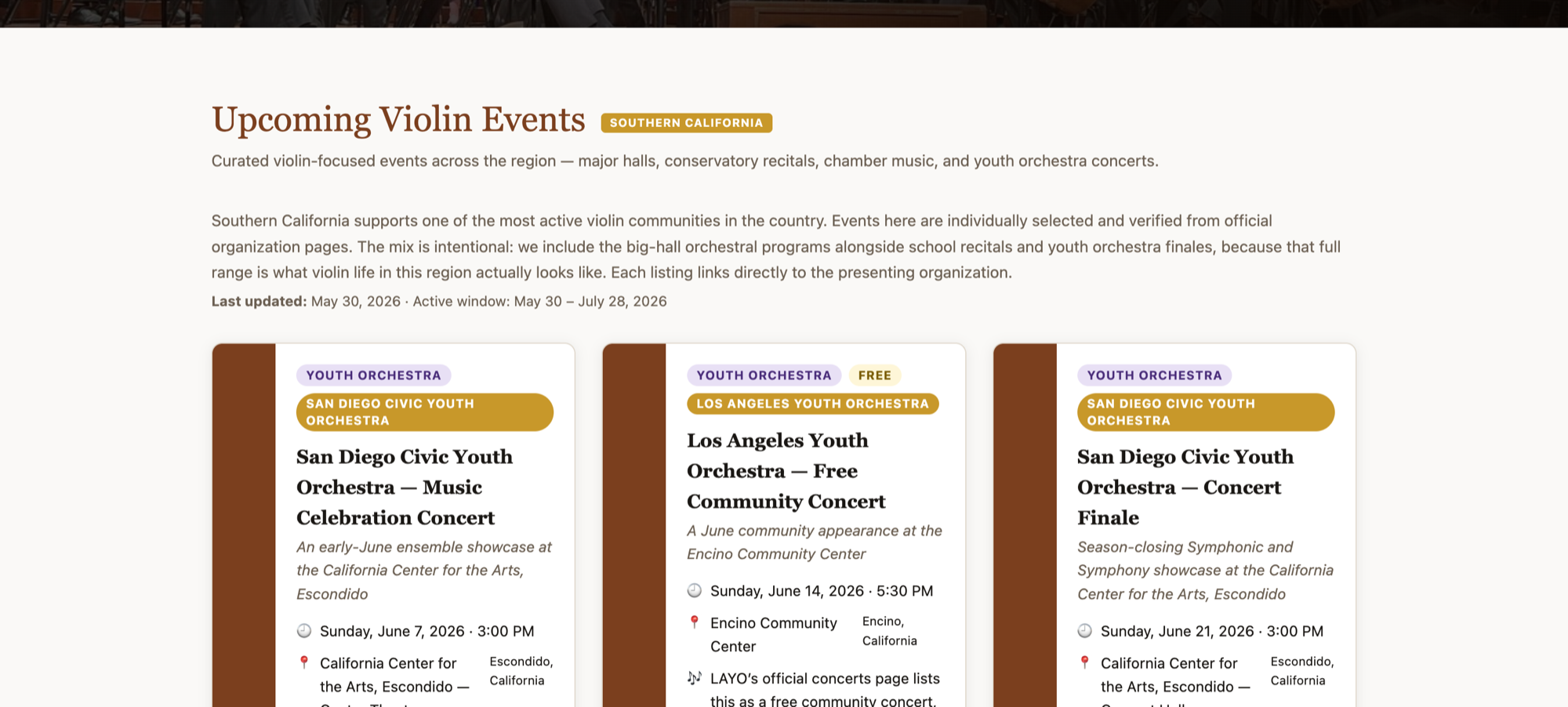
Find live classical and string concerts near you.
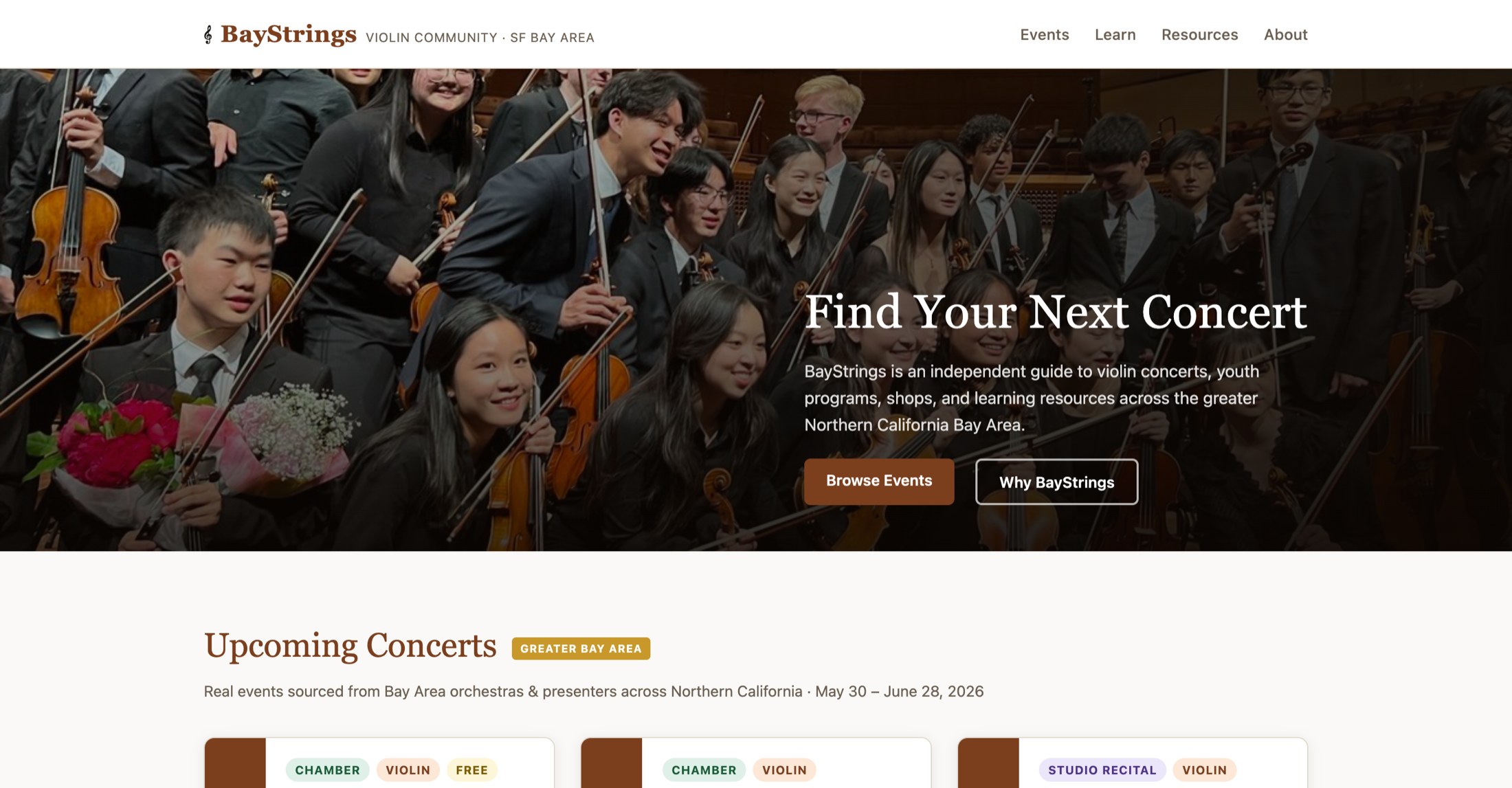
BayStrings and SoCalStrings help people discover live classical and string concerts in their region. Every listing is checked against the official venue or orchestra, so what you see is real and current. The same design and data model expands cleanly to a new region without starting over.
Small team, full ownership. We handle the product decisions, the code, and the last-mile work that makes software hold up with real users.
You get something live and usable early, then we make it better with real feedback — instead of waiting months for a big reveal.
App, payments, backend, and hosting from the same people. Nothing falls through the gap between a designer, a developer, and an ops team.
We sweat the bugs, the payments edge cases, and the deploys that most demos skip — because that's what earns a user's trust.
Everything on this page is live and reachable. We'd rather show you a working product than a slide deck.
Whether it's a customer app, a payments flow, or a product that's stuck halfway — tell us what you're trying to ship and we'll tell you, plainly, how we'd build it.
john@allegrowai.com